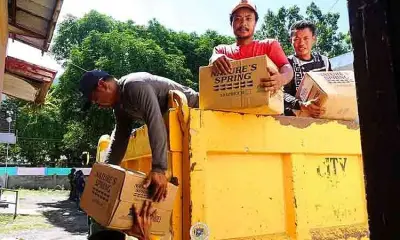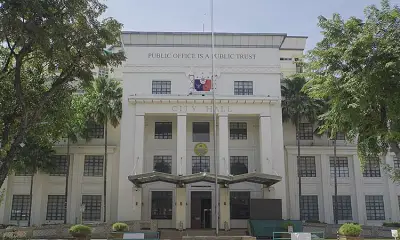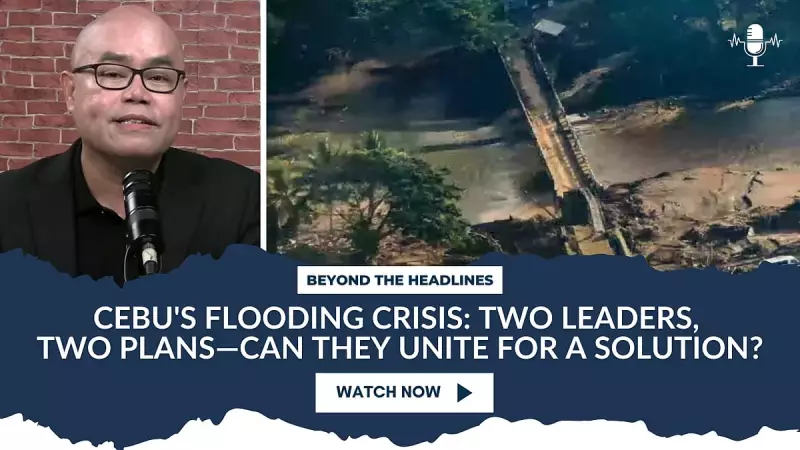
The island of Cebu finds itself at a critical crossroads as worsening flood conditions pit two of its most powerful leaders against each other with competing visions for solutions. While communities grapple with submerged homes and disrupted livelihoods, the political divide between Cebu City and provincial leadership threatens to delay much-needed comprehensive flood mitigation measures.
Dueling Approaches to a Growing Crisis
Cebu City Mayor Michael Rama has championed an ambitious infrastructure-focused approach to combat the flooding that regularly paralyzes parts of the metropolitan area. His administration has prioritized large-scale drainage improvement projects and the controversial but determined push for the P18 billion South Road Properties development, which includes flood control components as part of its urban planning.
Meanwhile, Cebu Governor Gwendolyn Garcia has advocated for a markedly different strategy centered on province-wide environmental conservation. Her approach emphasizes reforestation of mountain areas, protection of natural watersheds, and stricter regulation of developments in environmentally sensitive zones that contribute to runoff during heavy rainfall.

The Human Cost of Political Division
The consequences of this leadership impasse are measured in ruined properties, lost business income, and constant anxiety among residents during the rainy season. Low-lying communities experience regular inundation that damages homes, compromises public health, and strains emergency services. Transportation arteries frequently become impassable, creating economic ripple effects across the region.
Business leaders have expressed growing concern about the economic impact of persistent flooding, noting that productivity losses and infrastructure damage threaten Cebu's position as a central economic hub in the Visayas region. The tourism sector, a vital component of the local economy, faces particular vulnerability as flood events disrupt travel and damage the island's reputation as a reliable destination.
Searching for Common Ground
Environmental experts observing the situation suggest that both approaches contain valuable elements that could be synthesized into a more effective comprehensive strategy. Integrated flood management would combine structural solutions like improved drainage with natural approaches such as watershed protection and green infrastructure.
The pressing question remains whether political differences can be set aside long enough to develop a unified flood action plan. With climate projections indicating increasing frequency of extreme weather events, the urgency for coordinated action grows with each passing monsoon season. Community leaders and civil society organizations have begun calling for a summit between the city and provincial governments to bridge the divide.
The people of Cebu now watch and wait, hoping their leaders will recognize that floodwaters do not respect political jurisdictions, and that only through cooperation can a truly resilient Cebu emerge from the rising waters that threaten its future prosperity and safety.