The severity of Cebu's flooding problem has been thrust into the spotlight, prompting urgent calls for reform from civic groups in the wake of Typhoon Tino's devastation.
Immediate Actions for a Flood-Resilient Cebu
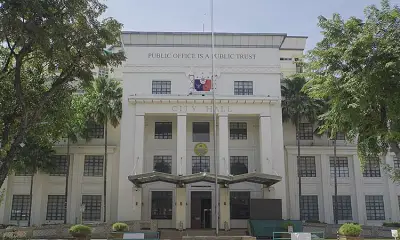
In a decisive move, The Movement for a Livable Cebu (MLC) has presented a petition to Governor Pamela Baricuatro outlining six critical measures to address the province's escalating flood crisis. The meeting, held at the Capitol on November 13, 2025, brought together officials, planners, and private sector representatives to forge long-term, science-based solutions.
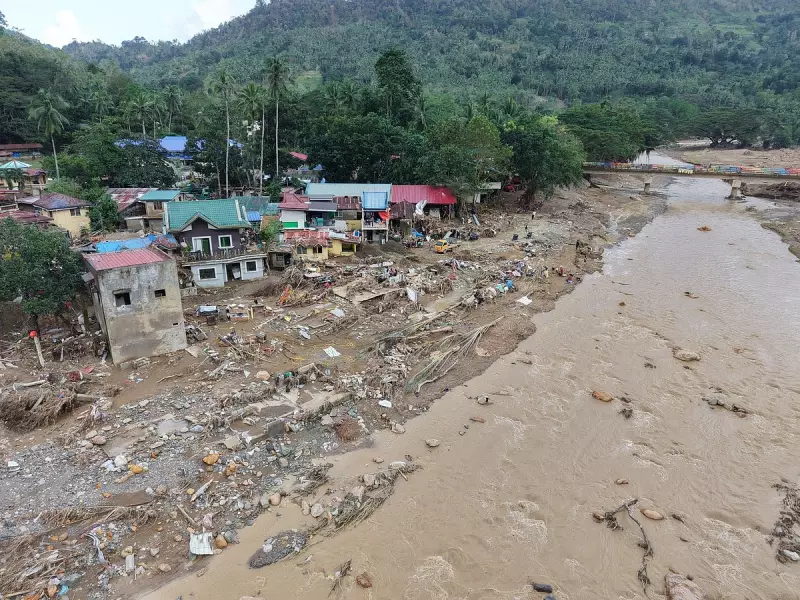
The group argues that the extensive flooding triggered by Typhoon Tino's heavy rains on November 4, 2025, was a man-made disaster waiting to happen. "While the heavy rainfall... was a natural trigger, we are convinced that the disaster's severity was exacerbated by the lack of political will, wrong engineering, and criminal neglect of established technical studies," MLC stated. The situation in areas like Barangay Lusaran, photographed days after the typhoon's onslaught, underscored the widespread impact on residents.

A Blueprint for Change: Key Demands
MLC's comprehensive list of demands serves as a blueprint for systemic change in Cebu's approach to flood management. The central proposal is the creation of a dedicated Cebu Floodwater Management Office under DENR-Development 7 to coordinate efforts across multiple national agencies and local government units.
Other key demands include:
- Declaring the full extent of the November 4 flood as no-build zones and relocating affected families to safe settlements.
- Removing all incorrectly designed flood-control structures that obstruct natural water flow.
- Implementing a moratorium on riverbed quarrying until comprehensive regulations are in place.
- Rehabilitating and protecting Cebu's watersheds to restore natural water absorption.
- Revisiting pivotal technical studies, including those from Jica (2015) and the MCDCB (2017).
The group attributed the flooding in riverside communities to "encroachments upon our vital waterways, compounded by ineffective, corruption-ridden flood control structures."
Government Response and Funding
Governor Baricuatro expressed full support for the urgent reforms. "Pareha ta'g goal nga this will not happen again in Cebu," she said, emphasizing that solving the flooding problem is her administration's top priority. She stressed the need for accountability, inter-LGU cooperation, and evidence-based policies.
The meeting also revisited the 2017 Mega Cebu Master Plan, presented by Fortunato 'Jun' Sanchez, which proposes building nine dams from Carcar to Danao City. Sanchez recommended prioritizing dams along the Mananga, Lusaran, and Butuanon Rivers.
Provincial Administrator Ace Durano addressed the funding aspect, revealing that at least P26 billion has already been spent on flood-control projects in Cebu. "There is money; it just needs to be placed in the right direction," he asserted. Officials also agreed to coordinate with the DHSUD and LGUs for the permanent relocation of families in no-build zones.
MLC concluded its petition by urging leaders to act with resolve, firmly asserting the right of every Cebuano to a safe and well-managed environment.