Cebu's Typhoon Trauma: Ladders on Roofs Become 'New Normal' as Residents Brace for Storms
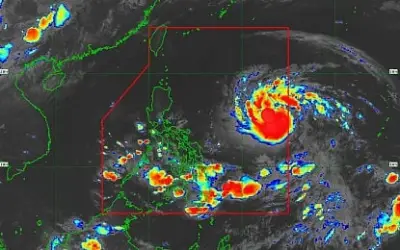
The date was February 6, 2026, but for many in Cebu, it felt like a grim echo of November 4, 2025. This time, however, the skies darkened without the immediate aftermath of a catastrophic typhoon—at least in this province. Yet, the memories of Typhoon Tino, which claimed 232 lives and damaged over 50,000 homes just three months prior, surged back with visceral force as another storm, Typhoon Basyang, loomed on the horizon.
Proactive Measures Driven by Painful Memories
In flood-prone areas across Cebu, including Talisay City, Bacayan and other barangays in Cebu City, and the towns of Consolacion, Liloan, Compostela, and Danao City, residents did not wait for official directives. Haunted by unresolved trauma, they took matters into their own hands. Barangay officials advised families to position ladders leading to their roofs a day before landfall, a stark symbol of preparation in the face of potential disaster. Important documents, food, water, and medicine were placed on rooftops in advance, reflecting a hard-learned lesson from past devastation.
This raises a poignant question: Is this our life every time a storm approaches? Has this become our 'new normal'? For those who returned home after Tino, many chose early evacuation, checking into hotels, renting rooms, or even spending the night in malls. Newly purchased cars, replacements for vehicles declared total losses after November's flash floods, were parked on higher ground, far from rivers and creeks, showcasing a heightened sense of caution.

The Routine of Panic and Lingering Trauma
Panic buying has evolved into a routine ritual the night before a typhoon. Long lines form at automated teller machines as people withdraw emergency cash, assuming they still have funds in their accounts. This repetitive behavior underscores a deeper issue: the psychological scars left by Typhoon Tino remain raw. For residents in affected areas, dark skies, strong winds, and rising river waters now trigger intense fear and anxiety. Some break down in tears not because water has entered their homes, but because it might—a testament to how trauma conditions the body to react before the mind can reason.
Yes, communities can prepare, learn from experience, and cope. But as one resident reflects, coping is not a solution; it is not our flood-control system. The trauma teaches resilience, yet it also highlights systemic failures that demand attention.
Demanding Accountability Beyond Memory
Another critical lesson from November 4 is the refusal to accept this trauma-driven routine as the 'new normal.' We must not normalize fear. Instead, there is a growing demand for corrections and accountability. True learning from the past requires justice and systemic improvements. Memory should not serve as our flood-control system; ladders on rooftops are not signs of resilience but indicators of unresolved issues.
What should protect communities are:
- Effective and well-implemented flood-control projects
- Warnings that are matched by preventive actions
- Strict regulation of upstream development
- An end to illegal quarrying activities
So, while we express gratitude for the memories that remind us of November 4's harsh lessons, and above all, thank a higher power for keeping Cebu safe this time, reliance on remembrance alone is insufficient for future safety. The call is clear: proactive, systemic change is essential to move beyond coping and toward genuine security.