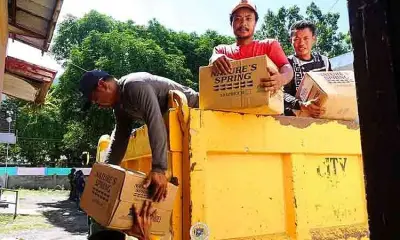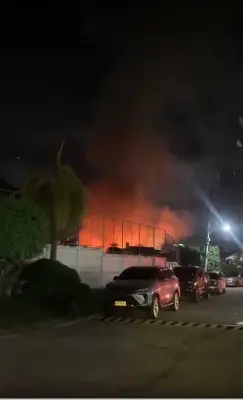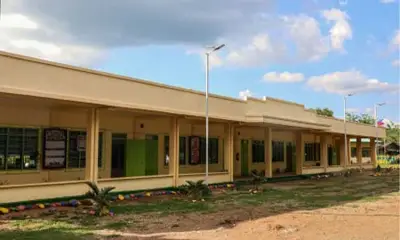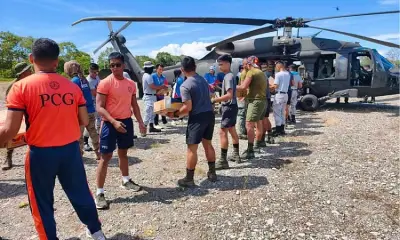
In the wake of devastating Typhoon Tino and Typhoon Uwan, thousands of Filipino families continue to face the monumental task of rebuilding their lives and communities. While immediate relief efforts focus on shelter and basic necessities, a critical aspect of recovery is gaining attention: every child's fundamental right to play.
The Unseen Impact on Children
As the nation marked International Children's Day on November 12, 2025, child development experts highlighted how natural disasters strip children of their safe spaces for play and recreation. Sports fields lie submerged under floodwaters, schoolyards serve as evacuation centers, and communities have lost the very spaces where laughter and teamwork once flourished.
According to Article 31 of the UN Convention on the Rights of the Child, play is not merely a leisure activity but a protected fundamental right. For children experiencing trauma from displacement and loss, play serves as emotional release, social bonding, and a pathway to normalcy.

Recreation as Recovery Strategy
National sports agencies, local government units, and community organizations are now recognizing that grassroots sports development must include recovery through recreation. Rather than focusing solely on competitive training and tournaments, these groups are implementing intentional programs to ensure children in disaster-affected areas can play safely.
Practical initiatives taking shape include mobile play kits distributed in evacuation centers, community sports days promoting healing through movement, and temporary play zones established in areas hardest hit by the typhoons. These simple yet effective approaches demonstrate that restoring children's access to play is essential for rebuilding both hope and resilience.
Beyond Champions: Building Communities
The true power of sports extends far beyond developing elite athletes. When children play, they rediscover confidence, rebuild trust, and experience joy amid challenging circumstances. Protecting their right to play represents an investment not only in individual recovery but in the nation's collective future.
As reconstruction of homes and infrastructure continues across affected regions, child advocates urge that safe play spaces must be prioritized alongside physical rebuilding. The sound of children laughing, running, and playing again serves as a powerful indicator that true healing has begun in communities devastated by Typhoon Tino and Typhoon Uwan.