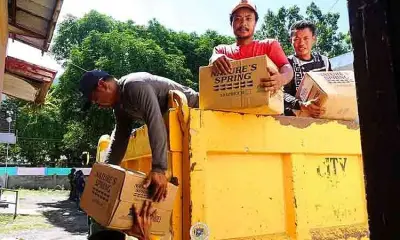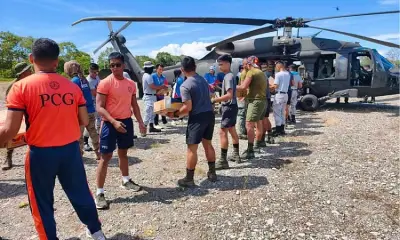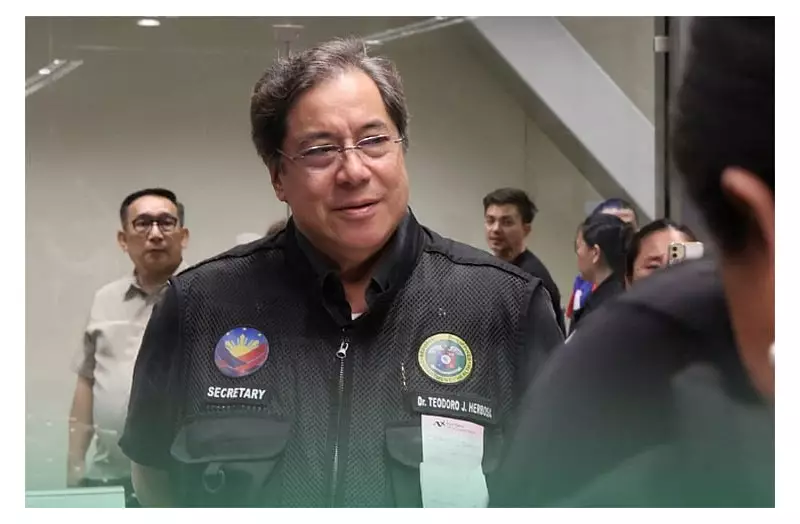
Health Secretary Teodoro Herbosa found himself stranded in Palo, Leyte, on Sunday, November 9, 2025, as Super Typhoon Uwan began its powerful assault on the Philippines.
Emergency Mission Interrupted by the Storm
The Department of Health (DOH) announced the situation through a social media post. Secretary Herbosa had been in Southern Leyte over the weekend, visiting towns affected by the earlier Typhoon Tino and overseeing the 24/7 Regional Health Emergency Operations.
His return to Manila was abruptly halted as transportation services were suspended with the arrival of the super typhoon, which prompted the raising of Tropical Cyclone Signal No. 5 in several areas.

Balancing Safety and Health Protocols
In a radio interview, Secretary Herbosa expressed his hope to secure a flight back to Manila by early Monday. "I want to make it in time for the President's command conference tomorrow (Monday)," he stated, highlighting his commitment to his national duties.
From his temporary location, the health chief issued a crucial advisory to all Local Government Units (LGUs). He strongly emphasized the need to prevent overcrowding in evacuation centers.
Herbosa warned that when large groups of people are gathered closely, these centers can become hotspots for the transmission of illnesses. "Evacuation centers can become a petri dish for respiratory illnesses if overcrowded," he explained. He specifically mentioned the risks of coughs, colds, flu, and measles, which spread easily through the air in confined spaces.
A Dual Challenge: Weather and Wellness
The incident underscores the complex challenges faced by government officials during natural disasters. While ensuring immediate physical safety from the storm is paramount, Secretary Herbosa's warnings bring to light the secondary public health crisis that can emerge in its wake.
His stranding in Leyte coincidentally placed a national spotlight on the critical need for proper management of evacuation centers to protect evacuees not just from the weather, but also from potential disease outbreaks.