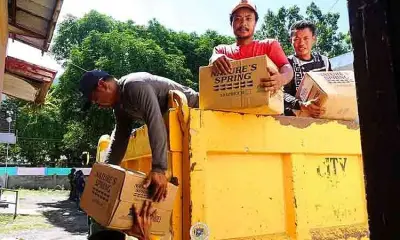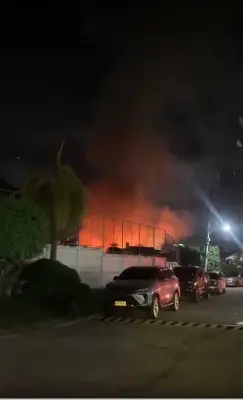
In the wake of a series of devastating natural disasters, including earthquakes, Super Typhoon Tino, and deadly flash floods that have recently struck our communities, the critical importance of being prepared has never been clearer. Inspired by these events, this guide focuses on creating a 'Go Bag'—a proven lifesaver during emergencies that you can grab quickly when an evacuation is necessary.
While we cannot prevent natural hazards, we can certainly prepare for them to mitigate their impact and protect our families. This article provides a comprehensive, step-by-step approach to assembling your own emergency kit.
The Foundation: Choosing Your Go Bag
The first step is selecting the right bag to hold all your essentials. You can use a sturdy backpack or even a travel bag with wheels for easier transport. The key requirements are that it should be easy to carry or pull, durable, and have multiple compartments or pockets to help you organize your supplies efficiently for quick access.

What to Pack: The Essential Checklist
Knowing what to put inside your Go Bag is crucial for survival. Here is a detailed list of non-negotiable items categorized for clarity.
Food and Water: Pack enough supplies to last for at least three days. Opt for lightweight, ready-to-eat, or easy-to-prepare food items. Essential provisions include canned goods, protein bars, sachets of tuna, biscuits, crackers, oatmeal, dried fruits, and instant noodles. For water, allocate at least one gallon per person per day. Don't forget to include formula or milk if you have infants or young children.
Tools and Medical Supplies: This category contains items that provide utility and first-aid capabilities. Essential tools include a multi-tool, scissors, a knife, a can opener, rope, duct tape, matches, a flashlight, and work gloves. Your emergency medical kit should be stocked with bandages, adhesive band-aids, face masks, hand sanitizer, soap, anti-bacterial wipes, a thermometer, rubbing alcohol, and a sufficient supply of any prescription maintenance medications. It is also wise to pack an extra pair of eyeglasses if you wear them.
Personal Items and Documents: Prepare a change of clothes for three days, including underwear, socks, a raincoat, a towel, a face towel, a comb, toothpaste, slippers, and a blanket. Crucially, ensure you have a power bank or extra battery charger for your cellphone, plus extra prepaid load and batteries for your flashlight.
Make photocopies of all your important documents such as marriage and birth certificates, passports, driver's licenses, IDs, property or car titles, and insurance policies. You can also include a list of your debts and money owed to you. Place all these documents in a sealed plastic bag to protect them from water damage. Always set aside some cash in small denominations.
Final Step: Strategic Storage
The final, critical step is where you keep your Go Bag. It must be stored in a designated, easily accessible location known to all family members. This ensures that in the panic of an evacuation order, you can grab it and go without a moment's hesitation, securing your family's safety and survival.