Mandaue City's flood control infrastructure along the Butuanon River proved inadequate against recent extreme weather conditions, revealing critical limitations in the city's disaster preparedness system.
System Overwhelmed by Unprecedented Rainfall
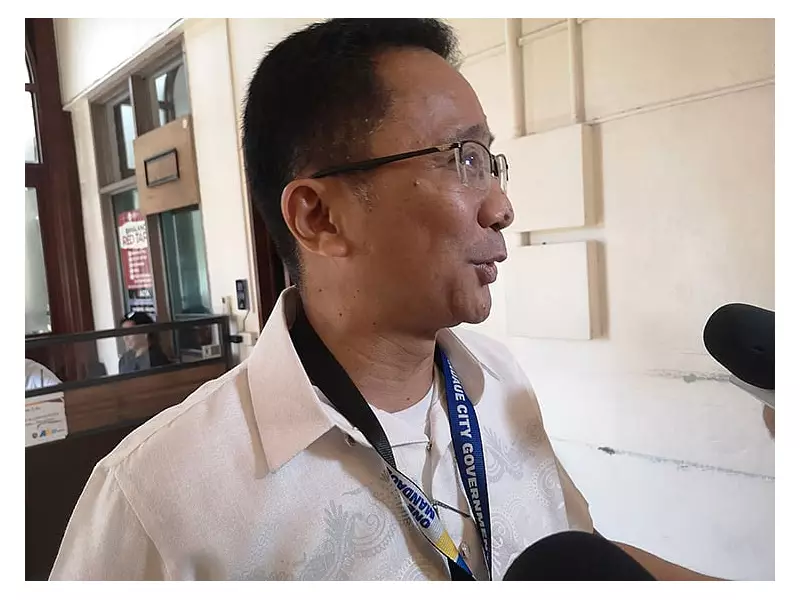
City Administrator Gonzalo "Sally" Malig-on confirmed that the existing flood control mechanism was designed only for normal rainfall patterns, not for the extraordinary downpour that recently struck the area. The system faced its ultimate test when approximately one month's worth of rainfall descended upon Mandaue City within a mere six-hour period.
"The flood control in Butuanon River can serve during normal rainfall, but not for that kind of phenomenon where one month's rainfall fell within six hours," Malig-on explained. "No system could handle that. The water would naturally overflow."

Coordinated Response and Infrastructure Gaps
The city administration has been working closely with the National Government to address critical needs in mountain barangays. Key among the proposed solutions are construction of dams and catchment basins that could significantly slow down and capture rainwater before it reaches urban areas.
Malig-on emphasized the geographical challenges, noting that these structures would be more effective on the Cebu City side due to its higher elevation relative to Mandaue. During the recent storm, rainfall intensity was notably heavier in Cebu City, contributing directly to the rapid water rise along the Butuanon River.
Despite some flood control sections remaining incomplete, Malig-on acknowledged that the existing structures prevented even worse flooding. The unfinished portions fall under the National Government's responsibility, and their completion could substantially reduce future flood risks.
Successful Evacuation and Future Preparations
The city's preemptive evacuation strategy proved highly effective, with approximately 29,000 residents safely relocated to various evacuation centers. This proactive measure resulted in only one confirmed fatality in Mandaue City, a remarkable achievement given the scale of the flooding along the Butuanon River.
"The preemptive evacuation really worked," Malig-on stated, commending the public's responsiveness to early warnings. Under Mayor Thadeo Jovito "Jonkie" Ouano's leadership, the City Government continues to prioritize public safety and disaster readiness.
The administration is currently procuring a more robust early warning system after Mayor Ouano emphasized the urgent need during disaster briefings. "We only have a few minutes to react during heavy rain," Malig-on noted. "That's why the mayor insisted that we need a better early warning system."
Ongoing Challenges and Solutions
Beyond infrastructure improvements, the city faces the complex issue of riverside settlements that exacerbate flooding problems. Malig-on acknowledged that houses built along riverbanks over the years have significantly worsened the flooding situation and complicated relocation efforts.
"If those settlements hadn't been allowed before, we wouldn't have this big of a problem now," he observed. "But we can't just relocate thousands of people overnight. We need to find a practical and fair solution."
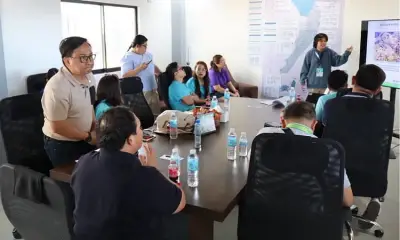
The city has already conducted two meetings involving Mayor Ouano, barangay captains, and engineers to discuss no-build zone policies and identify potential relocation sites. Meanwhile, desilitation projects are underway along the Butuanon River to address sediment buildup that has narrowed certain sections and reduced water flow capacity.
Despite these multifaceted challenges, Malig-on remains optimistic that continued coordination between local and national governments will strengthen Mandaue City's flood resilience and better protect residents from future climate-related disasters.