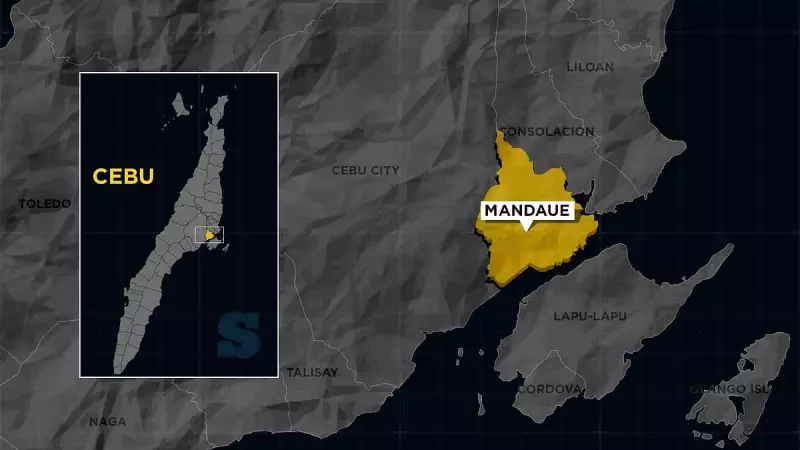
Mandaue's Flood Infrastructure Pushed Beyond Its Limits
The flood control system protecting Mandaue City along the Butuanon River was never designed to withstand the kind of extreme rainfall brought by Typhoon Tino (Kalmaegi) in early November 2025, according to a senior city official.
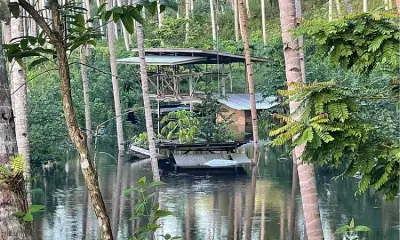
City Administrator Gonzalo "Sally" Malig-on clarified during a meeting on Wednesday, November 12, that the existing infrastructure can only manage normal rainfall levels. It was completely overwhelmed when a month's worth of precipitation fell within just six hours during the typhoon on November 4.
"The flood control in Butuanon River can serve during normal rainfall, but not for that kind of phenomenon," Malig-on stated. "No system could handle that. The water would naturally overflow."

Coordinated Efforts and Unfinished Projects
While some portions of flood control projects remain incomplete, Malig-on confirmed that the Mandaue City Government continues to coordinate with the National Government to address the needs of mountainous barangays. The proposed solution focuses on constructing dams and catchment basins that could help slow down and trap rainwater before it reaches urban areas.
He emphasized that flood control projects on the Mandaue side remain the National Government's responsibility, and their completion would significantly help reduce flooding incidents. "If not for those existing flood control structures, the flooding could have been worse," Malig-on noted. "But it's still only halfway done in some areas."
The official pointed out that rainfall was heavier in Cebu City than in Mandaue during Typhoon Tino, which contributed to the rapid water rise along Butuanon River. He suggested that catchment infrastructure would be more effective on the Cebu City side since that area sits at a higher elevation than Mandaue.
Successful Evacuation and Future Improvements
Despite the infrastructure challenges, Malig-on praised the city's preemptive evacuation efforts, which resulted in minimal casualties. Approximately 29,000 residents were evacuated to different centers during the emergency.
"Considering the size of Butuanon River, only one death was confirmed in Mandaue City," he reported. "The preemptive evacuation really worked. Mandauehanons have learned to evacuate immediately whenever there's a warning."
The city is currently in the process of acquiring a stronger early warning system to provide more reaction time during heavy rainfall events. "We only have a few minutes to react during heavy rain," Malig-on explained. "That's why the mayor insisted that we need a better early warning system. It's now in the procurement process."
Additional measures include desilting projects along Butuanon River, where sediment buildup has reduced water flow capacity in some areas. Malig-on identified this as something the city can address at the local level.
Ongoing Challenges and Seeking Solutions
Beyond infrastructure needs, Malig-on highlighted another pressing challenge: houses built along riverbanks that worsen flooding and complicate relocation efforts. He acknowledged that removing these settlements presents a significant humanitarian challenge.
"If those settlements hadn't been allowed before, we wouldn't have this big of a problem now," he said. "But we can't just relocate thousands of people overnight. We need to find a practical and fair solution."
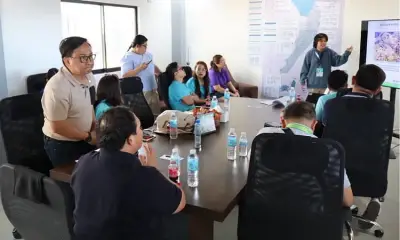
Mayor Thadeo Jovito "Jonkie" Ouano has already met with barangay captains and city engineers to discuss the no-build zone policy and explore possible relocation sites. The city government is carefully studying potential relocation areas while being realistic about what they can deliver to affected residents.