Five Years After Typhoon Odette, Naga City Residents Still Seek Government Aid Amid Distribution Concerns
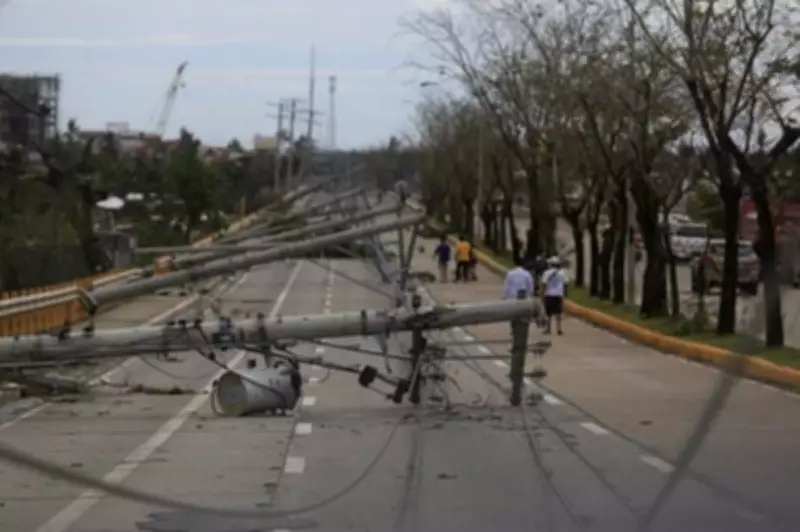
It has been five long years since the devastating Typhoon Odette struck Cebu, leaving a trail of destruction that many survivors are still grappling with today. While some have managed to move on and rebuild their lives, for numerous victims, the aftermath remains a painful and unresolved chapter, particularly regarding the aid promised by the national government. This ongoing struggle is vividly felt by residents of Barangay Cantao-an in Naga City, who claim they have been unfairly excluded from the list of beneficiaries for assistance recently reinstated by the National Housing Authority (NHA) for typhoon victims.
Voices of Frustration from the Ground
Leonora Repunte, a resident of Barangay Cantao-an, shared her mixed emotions about the situation. Initially, there was a glimmer of hope when news broke that the NHA had resumed aid distribution to the province. "We were happy to hear that help was being given again, thinking maybe this time we would be included, because during Typhoon Odette, we never received anything," Repunte stated on February 9, 2026. However, this hope quickly turned into deeper disappointment as they learned they were not on the list, despite suffering significant losses.
Repunte explained that she had tried to put the traumatic events behind her, but the revelation of aid distribution reopened old wounds. "It feels unfair because others received help, even though we were hit by the same typhoon, lost our homes just like them, so why weren't we included?" she added, highlighting a sense of injustice that resonates with many in her community. The residents argue that they should have been listed, given the total damage to their homes documented during the disaster.

Government Procedures and Past Efforts
According to established government protocols, the process for aid distribution typically begins at the barangay level, where surveys are conducted to identify affected residents. This list is then forwarded to the municipal or city social welfare and development office for verification. Ma. Brenda Gabato, head of the CSWDO in Naga, clarified that her office has been diligently reviewing the list initially submitted back in 2022 to ensure that those eligible receive assistance. She noted that beyond the NHA's efforts, the city had previously provided financial aid to the most severely affected individuals.
In a significant development, the NHA announced in September 2025 that over P712 million in financial assistance, originally intended for Typhoon Odette victims in Cebu Province, had been returned to the National Treasury. According to NHA Region 7, these funds were part of the aid package for victims of the 2021 typhoon. Based on earlier NHA data, only 72,209 qualified beneficiaries in Cebu Province were slated to receive P10,000 each, but distribution was hampered by discrepancies and misunderstandings between the NHA and the former provincial administration.
Ongoing Challenges and Unanswered Questions
Although the funds have since been returned to the province and distributed to beneficiaries, for some victims like those in Barangay Cantao-an, the allocation process has been perceived as flawed and inequitable. This situation raises critical questions about the effectiveness of disaster response mechanisms and the transparency of aid distribution. Residents continue to wonder if they will ever receive the support they need or if the memories of loss and damage from the calamity will remain merely a haunting reminder of unfulfilled promises.
The plight of these individuals underscores broader issues in post-disaster recovery, where bureaucratic hurdles and data inconsistencies can leave vulnerable communities in limbo. As the years pass, the need for a more inclusive and efficient aid system becomes increasingly urgent to ensure that no victim is left behind in the wake of such devastating events.