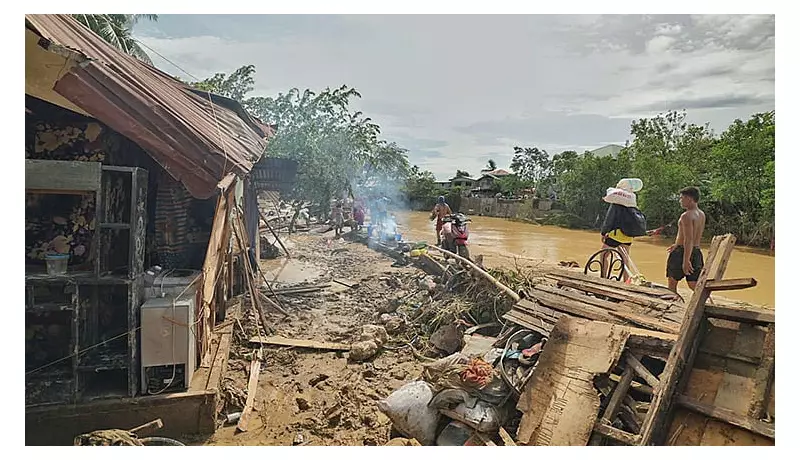
Typhoon Tino has left a trail of destruction in the mountain barangays of Cebu City, causing severe damage to the local agricultural sector and leaving thousands of farmers in dire straits.
Extensive Damage to Crops and Infrastructure
The City Agriculture Department (CAD) has reported that the storm, which struck on November 4, destroyed an estimated P47 million worth of crops, livestock, and critical farm infrastructure. The initial assessment reveals that over 998 hectares of farmland were ravaged across the barangays of Sudlon 2, Lusaran, Paril, Cambinocot, Guba, and Buot.
These areas, which were primarily cultivating corn, high-value vegetables, and bananas, suffered from the typhoon's strong winds and torrential rain. CAD head Joey Baclayon stated that approximately 4,000 farmers have been impacted, with many relying exclusively on farming for their family's income.

Immediate Consequences and Relief Efforts
The typhoon's fury extended beyond crops, damaging vital irrigation systems that channel water from mountain springs to the upland farms. Many of the essential hoses were washed away by floodwaters, forcing the department to prioritize the restoration of these water sources before any replanting can commence.
The disaster also led to the loss of about 200 farm animals, mostly pigs, along with several cows and goats that were swept away by floods near rivers and creeks.
To support the recovery of the farming community, the City Agriculture Department is taking swift action:
- Coordinating with the Philippine Crop Insurance Corp. to fast-track insurance claims for affected individuals.
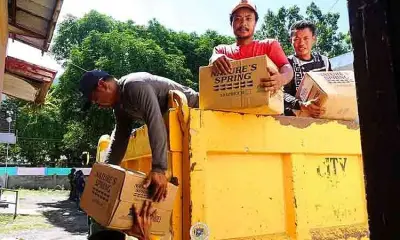
- Distributing vegetable seeds, drums, and other planting materials to jumpstart replanting.
- Providing financial assistance ranging from P5,000 to P10,000 to farmers, based on the severity of their losses.
Stable Supply and Path to Rehabilitation
Despite the significant blow to local production, Baclayon assured the public that Cebu City's vegetable supply remains stable. He explained that while the city provides 40 to 50 percent of the vegetable supply, any shortfall can be supplemented by nearby areas like Dalaguete and Cagayan, which were not heavily affected by the typhoon.
Furthermore, the price freeze on basic commodities imposed by the Department of Agriculture is expected to prevent price hikes in markets like the Carbon Public Market. Rehabilitation efforts will continue in close coordination with barangay officials to restore the city's food production and support the full recovery of the upland farming community.