The Philippines: A Nation in Nature's Crosshairs
The Philippines, a breathtaking tropical archipelago comprising 7,641 islands, finds itself in a uniquely perilous position on the global map. This nation is situated in a super-hazardous zone within the Pacific Ocean, where the forces of nature unleash their fury with alarming frequency. Scientific assessments consistently rank the Philippines as one of the most disaster-prone countries on Earth, a direct consequence of its challenging geographic location.
A Constant Onslaught of Natural Forces
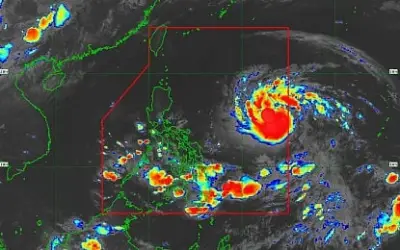
Annually, the Philippines endures approximately 20 typhoons, with some reaching catastrophic intensities. These storms possess the power to strip roofs from buildings, transforming communities into scenes reminiscent of vast, inundated landscapes. The memory of 2013's Super Typhoon Yolanda remains etched in the national consciousness, an event that claimed thousands of lives and displaced millions from their homes.
The country's vulnerability is magnified by its placement on the "Circum-Pacific Belt," more commonly known as the "Pacific Ring of Fire." This volatile region is a hotbed for seismic and volcanic activity. Just last year, Taal Volcano dramatically reminded the nation of this reality, spewing ash plumes so immense they resembled the exhalations of a colossal entity.

Compounding Threats in a Changing Climate
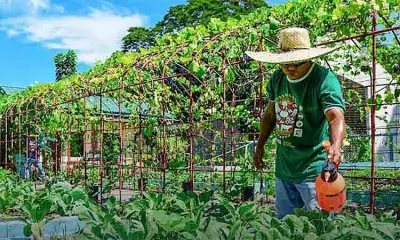
The challenges are intensifying under the shadow of climate change. Warmer ocean temperatures are fueling more aggressive and unpredictable typhoons. Concurrently, rising sea levels are pushing floodwaters further inland, encroaching on areas once considered safe. The agricultural sector suffers profoundly, as frequent storms devastate crops, threatening food security and livelihoods.
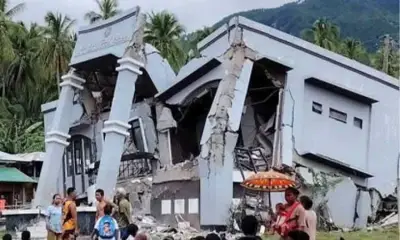
Compounding these natural threats are socio-economic factors. Many residents live in informal settlements along vulnerable coastlines and riverbanks. When disasters strike, these communities often lose everything. In densely populated urban centers like Manila, even moderate seismic events or flooding can escalate into large-scale humanitarian crises due to the concentration of people and infrastructure.
Building a Culture of Resilience
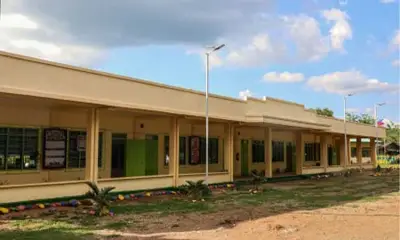
Despite these formidable challenges, the Filipino spirit of bayanihan (community cooperation) shines through in resilience efforts. The government is proactively constructing sturdier, typhoon-resistant school buildings to serve as safe havens. Scientists are leveraging advanced technology, including drones, to improve early storm detection and monitoring systems.
Education plays a pivotal role in this national strategy. From a young age, children are taught essential disaster preparedness drills, such as the "duck, cover, and hold" procedure for earthquakes. These lessons, often integrated into school curricula, empower the next generation. The collective effort underscores a vital truth: while the forces of nature cannot be halted, communities can learn to adapt, prepare, and coexist with them, building a safer future together.