Satellite Connectivity Rushed to Typhoon-Hit Negros Island
In a critical move to address the communication blackout caused by Typhoon "Tino," the Office of Civil Defense in the Negros Island Region (OCD-NIR) is partnering with the Department of Information and Communications Technology (DICT). Their primary mission is the urgent deployment of satellite technology to re-establish vital communication links for more effective disaster coordination and response.
Unprecedented Devastation from Typhoon Tino
The OCD-NIR reported that Negros Island suffered severe and unexpected damage from the typhoon. Areas previously considered safe were drastically affected, with widespread flooding occurring in places that had no prior history of such disasters. The storm's aftermath led to a near-total collapse of essential services, including power, telecommunications, and internet connectivity across the region.
On November 4, 2025, a team from the OCD-NIR, led by Regional Director Donato Sermeno Ill, conducted field assessments in Central Negros. The situation they encountered was dire. In Pontevedra, the landscape was littered with fallen trees and plunged into darkness due to the power outage. Search and Rescue units were working relentlessly, particularly in Barangay Don Salvador Benedicto (Carmen), Pontevedra, where they navigated floodwaters to rescue residents trapped by rapidly rising water levels.

Communication Breakdown Hinders Relief Efforts
A significant challenge hampering relief operations has been the complete breakdown of traditional communication lines. This failure has made it extremely difficult for authorities to obtain accurate and timely updates from isolated local government units (LGUs), slowing down the overall response.
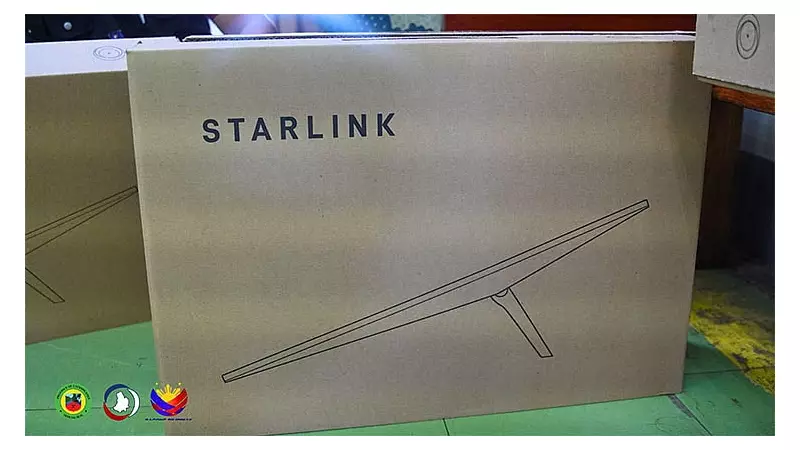
In direct response to this crisis, the collaboration between OCD-NIR and DICT is focusing on providing temporary satellite connectivity, specifically through Starlink terminals. This initiative is designed to restore communication in the most isolated areas, enabling a faster and more coordinated flow of information that is crucial for saving lives and delivering aid effectively.