Sultan Kudarat Governor Prioritizes Safety Amid Ongoing Earthquake Swarm
Governor Datu Pax Ali Mangudadatu of Sultan Kudarat has declared his readiness to further extend the suspension of classes and work in the province if the persistent earthquake swarm intensifies. During a special press conference held at the Sultan Kudarat Provincial Government Office on Monday, February 2, 2026, the governor emphasized that protecting public safety, particularly for children, remains his foremost concern.
Governor's Firm Stance on Safety Measures
In his address, Governor Mangudadatu highlighted the importance of preemptive actions to ensure community well-being. "As early as now, we can implement preemptive measures to make sure that the people are safe. Mas importante ang buhay ng bata kaysa yung assignment, kaysa yung project, kaysa examination," he stated firmly. The governor acknowledged the disruptions caused by repeated suspensions but reiterated that no academic or work deadline should take precedence over human life.
"Because I will make it clear, if magkaroon po tayo ng danger, I will not hesitate, kahit 1 month ko pa yan isu-suspend, because yung buhay ng tao ay mas mahalaga," Mangudadatu added, underscoring his commitment to safety over convenience.

Seismic Activity and Geological Context
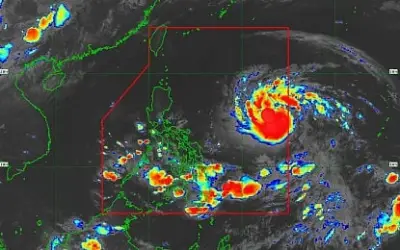
According to the Philippine Institute of Volcanology and Seismology (Phivolcs), a staggering total of 3,319 earthquakes have been recorded offshore of Sultan Kudarat since January 19, 2026. Of these, 114 tremors were felt by residents, with magnitudes ranging from 1.3 to 5.9. While Phivolcs noted a recent decrease in daily earthquake counts, they cautioned that another high-magnitude event could still occur, similar to the magnitude 5.9 earthquake on January 28.
The earthquake swarm is believed to be linked to movements along the Cotabato Trench, a major underwater geological feature west of Mindanao. This deep-sea subduction zone, where tectonic plates converge, is a known source of seismic activity. Phivolcs chief Dr. Teresito Bacolcol explained that the swarm likely results from stress gradually being released along the trench, producing clusters of small to moderate earthquakes rather than a single large event.
Impact and Response Efforts
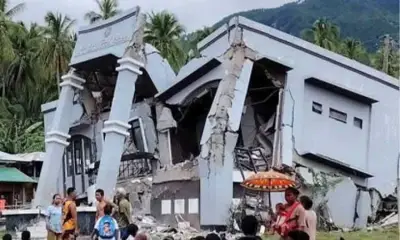
Despite the thousands of recorded earthquakes, Governor Mangudadatu reported that no casualties or major infrastructure damage have occurred in Sultan Kudarat. However, the ongoing seismic events have prompted preemptive evacuations in coastal areas. Data from the Department of Social Welfare and Development–Soccsksargen (DSWD-Soccsksargen) reveals that at least 59,185 individuals from 13,192 families have been affected across 31 villages in the towns of Kalamansig, Lebak, and Palimbang.
Residents in Kalamansig town have been seen staying along roadsides or seeking refuge in evacuation centers due to fears of stronger earthquakes. The Provincial Disaster Risk Reduction and Management Office (PDRRMO), along with municipal counterparts, continues to monitor seismic activity closely and conduct safety assessments throughout the province.
Calls for National Support and Recent Developments
Governor Mangudadatu also stressed the need for national government support for disaster-affected provinces outside Metro Manila. "Dapat maramdaman din ng mga taga-Sultan Kudarat ang national government. At the end of the day, hindi lang Manila ang bumoto sa national officials natin," he remarked, expressing satisfaction with commitments of support for Sultan Kudarat residents.
Following nearly two weeks of disruptions that began on January 20, the governor lifted the suspension of classes at all levels and work in public offices effective February 1. However, he remains vigilant, with contingency plans in place should the earthquake swarm worsen, ensuring that safety protocols are prioritized over all other considerations in this challenging period for the province.