Typhoon Basyang Disrupts Daily Life and Highlights Environmental Vulnerabilities in the Philippines
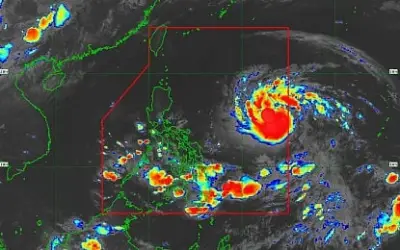
In the face of an approaching typhoon, the rhythm of everyday life in the Philippines can come to an abrupt and unsettling halt. Travel plans are thrown into disarray, educational schedules are upended, and communities brace for potential devastation. This reality was starkly evident during the recent passage of Tropical Storm Basyang, which swept across the nation, leaving a trail of disruption and tragedy in its wake.
Widespread Disruptions to Travel and Education
When severe weather strikes, the immediate consequences are felt across various sectors. Flights and sea voyages are frequently canceled or postponed, stranding passengers and forcing urgent travelers to delay their journeys. While some fortunate individuals may receive complimentary accommodations and meals from airlines, the lost time remains irreplaceable, adding to the frustration and inconvenience.
In the educational sphere, classes are suspended to ensure student safety. However, this does not translate into an early vacation. Instead, students must attend make-up classes to meet the Department of Education's mandated requirement of 180 to 220 school days per year for elementary and secondary levels. This adjustment underscores the balancing act between safety protocols and academic commitments during natural calamities.

Community Preparedness and Past Trauma
For communities lying in the path of a typhoon, preparation becomes a matter of survival. Residents in vulnerable areas, such as those near the Mananga River in Talisay City, Cebu, often take preemptive measures. During the signal number 2 alert for Typhoon Basyang on Friday, February 6, 2026, many evacuated early, driven by painful memories of past storms.
One poignant example involves a family whose home near the Mananga bridge was inundated up to the second floor, including their vehicle, during Typhoon Tino on November 4 of the previous year. To avoid a repeat of that harrowing experience, they chose to evacuate proactively. Similarly, cautious individuals, like a parent who parked their car at a mall in Barangay Mambaling offering free overnight parking due to the storm threat, demonstrate the heightened vigilance that has become necessary.
Environmental Factors and Tragic Consequences
The changing landscape of the Philippines exacerbates the risks associated with typhoons. Deforestation for construction projects, such as buildings and subdivisions, has made hillsides more prone to landslides during heavy rainfall. In low-lying areas, water accumulation leads to rapid flooding, creating a perilous environment for residents.
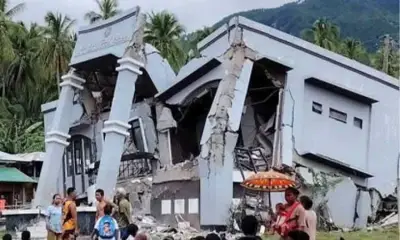
The most devastating aspect of these storms is the loss of life. Typhoon Basyang resulted in five fatalities and displaced thousands of families. A particularly heartbreaking tragedy occurred in Barangay Agusan, Cagayan de Oro City, where a landslide claimed the lives of four family members: a couple, a 13-year-old, and an 11-month-old infant. This incident serves as a somber reminder that typhoons are not mere inconveniences but serious threats to human safety.
A Call for Preparedness and Reflection
In the aftermath of such events, it is crucial to recognize that typhoons represent a powerful reminder of nature's fury. They disrupt not only travel and education but also pose grave dangers to communities. As such, preparedness, coupled with prayers for safety, is essential. The experiences during Typhoon Basyang highlight the need for ongoing efforts in disaster risk reduction and environmental conservation to mitigate future impacts.