Silent Suffering in Negros Occidental After Typhoon Tino's Wrath
While national attention focuses on Cebu, the people of Negros Occidental are enduring a quiet crisis following Typhoon Tino's devastating passage. The storm, known internationally as Kalmaegi, triggered massive flooding that submerged communities, destroyed farmlands, and displaced thousands of residents across the province.
Personal Account of Survival and Desperation
Jonalyn Mendiola, a World Vision project staff member, experienced the terror firsthand when floodwaters rapidly invaded her home in Moises Padilla. "The floodwaters reached our window in just 10 minutes, forcing us to transfer to the second floor," she recounted. "I was worried and helpless, seeing none of my neighbors around. They all left their submerged houses to find higher ground."
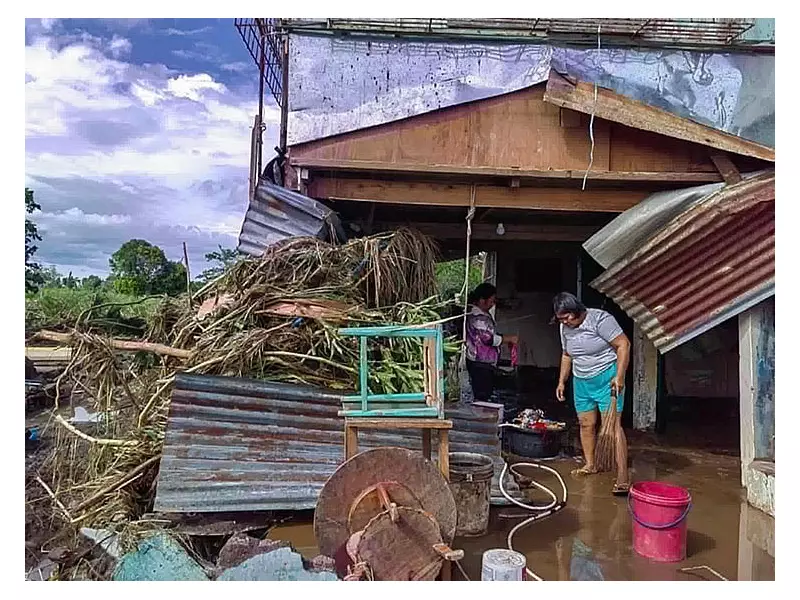
Even after the immediate danger passed, the challenges continued for Jonalyn and her community. "Our homes were filled with mud, debris, and all kinds of garbage," she described. The area suffered from complete infrastructure collapse with no water source, no electricity, and no communication networks functioning.

Official Response and Escalating Crisis
On November 6, just two days after Typhoon Tino's onslaught, the Provincial Board of Negros Occidental declared a state of calamity. Official reports from the Provincial Disaster Risk Reduction and Management Office confirmed 44 deaths with 53 individuals still missing as floodwaters overwhelmed and isolated multiple communities.
The humanitarian situation faces further complication as Super Typhoon Uwan (Fung-Wong) approaches the already devastated region. Recovery and relief operations have become increasingly challenging with heavy rains expected to hit the same flooded areas.
World Vision has mobilized response teams to assist communities affected by Typhoon Tino. Their staff are currently on the ground providing critical aid including:
- Water and food supplies
- Emergency shelter kits
- Hygiene necessities
- Psychosocial support services
The organization aims to assist 3,000 families, though this number may increase as the situation develops. As of November 7, reports indicate that over 2.4 million people have been affected by the disaster, with casualty and missing person reports still being verified.
World Vision teams are coordinating with local partners and authorities to overcome the challenges posed by the impending typhoon threat, which has complicated ongoing humanitarian operations in Negros Occidental.