The Philippines continues to reel from the devastating impact of Super Typhoon Uwan as official reports confirm a rising death toll across multiple regions. The powerful storm has left a trail of destruction throughout the country, affecting millions of residents and causing significant damage to infrastructure.
Casualty Count and Regional Impact
According to the Office of Civil Defense (OCD), the number of fatalities has climbed to 27 individuals as of Wednesday, November 12, 2025. The casualties are spread across various provinces, with Ifugao recording the highest number of deaths at nine persons.
Other affected regions include Benguet with four fatalities, while Nueva Vizcaya, Mountain Province, and Kalinga each reported three deaths. Single casualties were documented in Catanduanes, Capiz, Samar, Sulu, and one additional province that authorities have not yet identified.

Missing Persons and Injuries
The disaster response agency also confirmed that two people remain missing in Kalinga province as search and rescue operations continue. Additionally, 36 individuals sustained injuries from the typhoon's wrath, requiring medical attention across affected areas.
The National Disaster Risk Reduction and Management Council (NDRRMC) provided concerning statistics in their situational report, indicating the massive scale of Uwan's impact on Filipino communities.
Widespread Damage and Affected Population
The NDRRMC revealed that more than one million families, representing nearly 3.6 million individuals, have been affected by Super Typhoon Uwan. The storm's reach extended across 9,643 barangays throughout the archipelago nation.
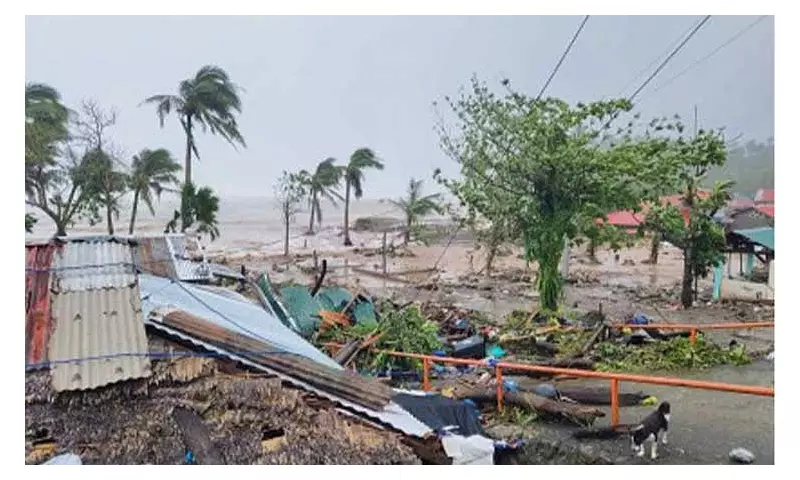
Visual evidence of the destruction emerged from Pandan, Catanduanes, where photographs captured the severe devastation caused by the super typhoon on Sunday, November 9, 2025. The images, courtesy of the Municipal Disaster Risk Reduction and Management Office of Pandan, show extensive damage to structures and landscapes in the coastal municipality.
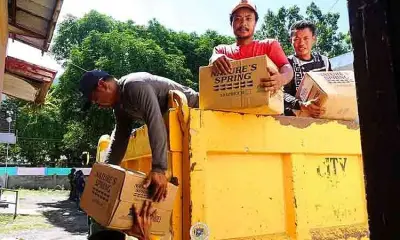
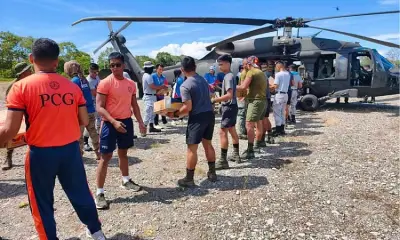
Emergency response teams continue to work in affected regions, providing relief assistance and assessing the full extent of damage to agriculture, infrastructure, and residential areas. The coordinated efforts of multiple government agencies aim to address the immediate needs of displaced families and begin the recovery process in typhoon-ravaged communities.