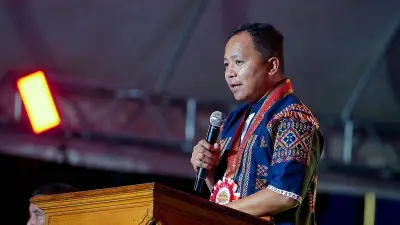
Cebu City Mayor Nestor Archival has issued a renewed and urgent call for all residents to strictly adhere to the city's waste segregation rules. The mayor emphasized that this practice is not just an environmental duty but a significant economic opportunity that can reduce landfill volume and cut municipal spending.
Mayor Meets Frontline Enforcers for Policy Reinforcement
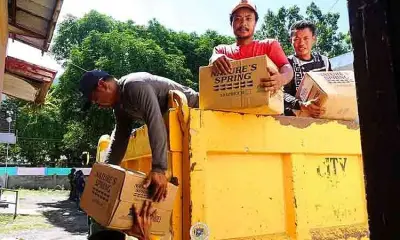
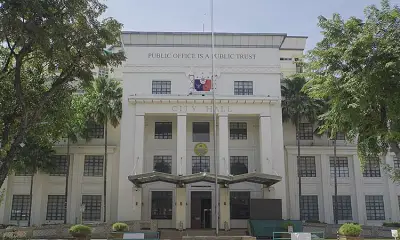
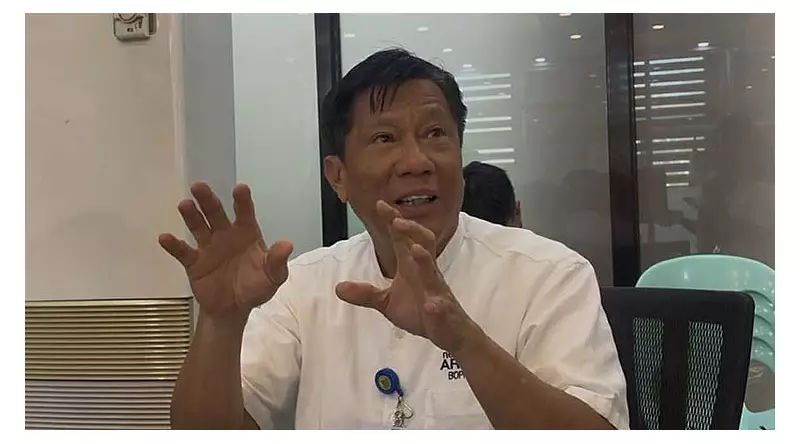
On Saturday, January 3, 2026, Mayor Archival convened a mandatory meeting with personnel from the Department of Public Services (DPS). The gathering, held on the ninth floor of the Executive Building, included garbage truck drivers and loaders from both the north and south districts. The purpose was to reinforce the City's "No Segregation, No Collection" policy.
Archival stressed that close coordination with these frontline workers is essential to ensure the policy is applied uniformly and consistently across all barangays. He directed DPS personnel to actively spread information in their respective areas, down to the household level, to ensure everyone understands the rules.

The City Government has set an information drive from January 1 to 15, 2026, giving households time to adjust before full enforcement begins. After this period, mixed waste containing both biodegradable and non-biodegradable materials will no longer be accepted for collection.
From Waste to Worth: The Economic and Environmental Loop
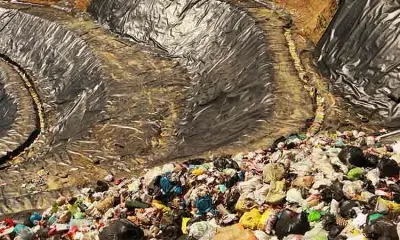
Archival detailed the city's plan for the segregated waste. Biodegradable (malata) waste will be transported to the landfill for processing into compost. Meanwhile, non-biodegradable recyclable materials, such as plastics, will be sold. Shredded plastics can be repurposed in industrial processes, including as components for cement, where demand is high.
During the meeting, the mayor personally demonstrated proper waste segregation, sorting recyclables himself to underscore that discipline must start at home. He expressed confidence that through sustained public education, active barangay participation, and firm enforcement, proper waste segregation can become a daily habit for Cebuanos.
Community-Level Solutions and Livelihood Opportunities
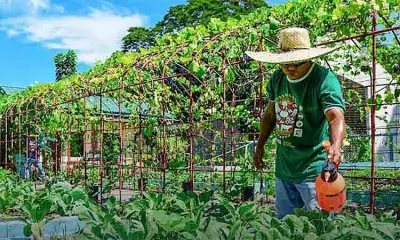
Solid Waste Management Board member Emma Ramas presented ideas for managing waste at the source. She suggested that biodegradable waste should ideally be handled at the household level, where it can be used to grow food or even generate income.
"In my personal opinion, the malata should not be collected. Each household should take care of their biodegradable waste, use it to grow food or even earn from it," Ramas said. She proposed that surplus compost or organic produce could be sold, turning waste management into a small-scale livelihood.
Ramas also floated the concept of a neighborhood-based enterprise, where residents who cannot compost themselves could pay a neighbor a minimal fee to process their biodegradable waste, creating income opportunities within the community.
Mayor Archival echoed these community-centric ideas, revealing that the City is exploring options to purchase compost produced by households and distribute it to upland or agricultural areas. This initiative aims to close the loop between urban waste and food production, promoting a circular economy.
Archival urged residents to support recycling initiatives that convert plastic waste into useful materials. These efforts help slash hauling and disposal costs, alleviate pressure on the city's landfills, and free up public funds that can be redirected to other essential services.
He stated that this combined approach of hands-on leadership and system-wide enforcement reflects Cebu City's continuing commitment to environmental protection, sustainability, and responsible urban governance.