Transmission Systems Remain Operational as Tropical Storm Basyang Hits Mindanao
The National Grid Corp. of the Philippines (NGCP) has reported that transmission facilities in areas impacted by Tropical Storm Basyang, known internationally as Penha, are currently functioning under normal conditions as of 9 a.m. on Thursday. This announcement comes despite several regions in Mindanao being placed under Tropical Cyclone Wind Signal (TCWS) No. 2, indicating heightened alert levels due to the storm's approach.
Precautionary Measures Implemented by NGCP
In a recent advisory, NGCP emphasized that while operations are stable, proactive steps have been taken to mitigate potential disruptions caused by Basyang. The corporation has activated its Integrated Disaster Action Plan (IDAP), a comprehensive strategy designed to safeguard power transmission infrastructure during severe weather events.
Key measures include ensuring the reliability of communications equipment, maintaining an adequate stock of hardware materials and supplies for emergency repairs, and strategically positioning line crews in accessible areas to enable swift restoration efforts if needed. These protocols aim to minimize downtime and ensure continuous service for affected communities.

Latest Storm Updates from PAGASA
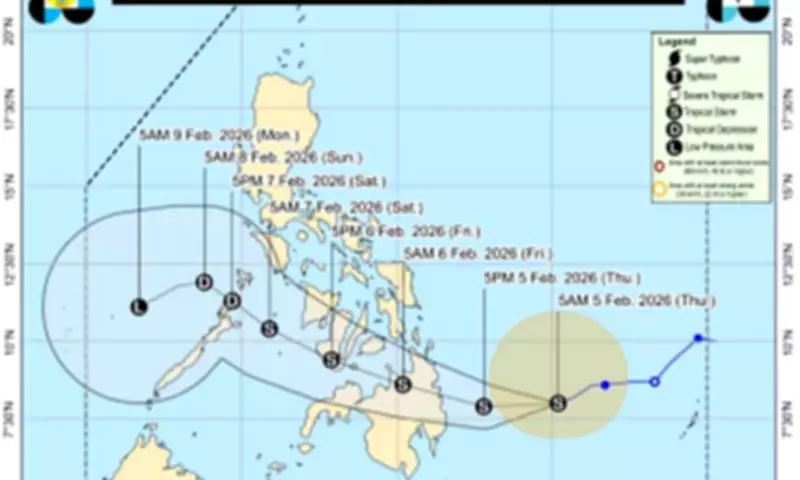
According to the 8 a.m. bulletin from the Philippine Atmospheric, Geophysical and Astronomical Services Administration (PAGASA), Tropical Storm Basyang was last located approximately 385 kilometers east of Hinatuan in Surigao del Sur. The storm is moving in a west-southwest direction at a speed of 20 kilometers per hour, with maximum sustained winds of 65 kph near its center and gusts reaching up to 80 kph.
Areas Under Tropical Cyclone Wind Signals
TCWS No. 2 has been raised in the following areas, indicating damaging winds are expected within 24 hours:
- Surigao del Norte, including Siargao and Bucas Grande Islands
- Surigao del Sur
- The extreme northern portion of Davao Oriental (Boston)
- Agusan del Norte and Agusan del Sur
- Misamis Oriental
- Northern Bukidnon (Impasug-Ong, Manolo Fortich, Malitbog, Sumilao, Libona, Baungon, City of Malaybalay, and Cabanglasan)
- Northeastern Lanao del Norte (Iligan City)
- Northeastern Misamis Occidental (Baliangao, Plaridel, Lopez Jaena, Oroquieta City, Calamba, Aloran, and Panaon)
- Camiguin
TCWS No. 1 is in effect for areas where strong winds are anticipated, including:
- Cuyo Island in Luzon
- Southern Eastern Samar (Guiuan, Salcedo, Mercedes, Giporlos, Balangiga, Lawaan, Quinapondan, General Macarthur, Hernani, Llorente, and Balangkayan)
- Southern Samar (Marabut, Basey, and Santa Rita)
- Biliran, Leyte, Southern Leyte, Bohol, Cebu, Siquijor, Negros Oriental, Negros Occidental, Guimaras, Iloilo, Capiz, Aklan, and Antique in the Visayas
In Mindanao, additional regions under TCWS No. 1 encompass:

- Dinagat Islands
- Northern and central Davao Oriental (Cateel, Baganga, Caraga, Manay, Tarragona, Lupon, and Banaybanay)
- Davao de Oro, Davao del Norte, and northern Davao del Sur (Davao City)
- The rest of Bukidnon
- Northern Cotabato (Carmen, Banisilan, Alamada, President Roxas, Antipas, Arakan, Magpet, Matalam, and Kabacan)
- Lanao del Sur and northern Maguindanao del Norte (Buldon, Barira, Matanog)
- The rest of Lanao del Norte and Misamis Occidental
- Eastern and central Zamboanga del Norte (Mutia, Piñan, Polanco, Dipolog City, Dapitan City, Sibutad, Rizal, La Libertad, Labason, Kalawit, Liloy, Salug, Bacungan, Sindangan, Jose Dalman, Manukan, Pres. Manuel A. Roxas, Katipunan, Sergio Osmeña Sr., Siayan, Godod, Tampilisan, and Gutalac)
- Northern and central Zamboanga del Sur (Bayog, Kumalarang, Lapuyan, San Miguel, Guipos, Dinas, San Pablo, Dumalinao, Pagadian City, Tigbao, Lakewood, Dumingag, Mahayag, Molave, Josefina, Tambulig, Aurora, Ramon Magsaysay, Sominot, Midsalip, Labangan, and Tukuran)
- Northern Zamboanga Sibugay (Kabasalan, Diplahan, Naga, Titay, Ipil, and Buug)
NGCP continues to monitor the situation closely, urging residents in affected areas to stay informed through official channels and adhere to safety advisories issued by local authorities. The corporation's preparedness efforts underscore its commitment to maintaining grid stability during natural disasters, ensuring minimal disruption to power services across the Philippines.