Central Visayas Implements Transit and Energy Overhauls Amid Global Fuel Crisis
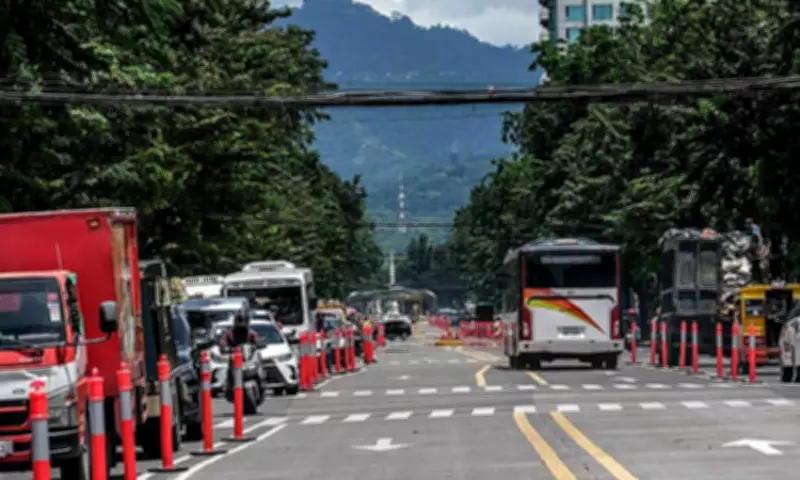
As international conflicts escalate, driving petroleum prices to unprecedented heights, local governments across Central Visayas are undertaking fundamental transformations in public transit and energy consumption. These strategic shifts are designed to sustain local economies and provide critical relief to residents grappling with soaring costs. The surge in crude oil prices, fueled by ongoing turmoil in the Middle East, has compelled authorities in Cebu to enact systemic changes that address both immediate financial strains and long-term energy vulnerabilities.
Immediate Relief Measures for Commuters and Drivers
The financial burden of fuel price hikes falls disproportionately on daily commuters and public utility drivers, prompting swift governmental action. In Mandaue City, Mayor Thadeo Jovito Ouano has authorized a significant expansion of the city's free transportation program, set to launch in late March 2026. This initiative introduces three new routes, with two buses each deployed from barangays including Ibabao, Canduman, Tabok, Pagsabungan, Maguikay, and Basak. A key new route connects Jollibee Centro to KFC, Savemore Canduman, and the Mandaue School of the Arts, operating during peak commuting hours—morning, noon, and late afternoon into evening. This targeted approach ensures assistance reaches areas underserved by traditional transport while avoiding competition with private jeepney drivers.
Maritime transit has also seen substantial interventions. The SeaBus service, operating between Gothong Wharf and Muelle Osmeña Wharf, now features two subsidized vessels for residents of Mandaue and Lapu-Lapu City. Following negotiations between local officials and shipping executive Calvin Gothong—who initially proposed a fare of P35 before the City requested a cap at P20—the service transitioned to offering entirely free shuttle rides. This move aims to alleviate the crushing impact of diesel costs on daily wage earners, providing a vital lifeline in the face of economic pressure.

Broader Regulatory and Infrastructure Reforms
The crisis has underscored deeper vulnerabilities in local energy infrastructure and regulatory frameworks, prompting reevaluations of existing policies. In Cebu City, soaring fuel costs have led to a reconsideration of road safety laws. Councilor Edgardo Labella II introduced a resolution to permit alternative electric vehicles—such as e-trikes, four-wheel electric carts, and electric cars—on major thoroughfares. Previously, these slow-moving vehicles were barred from main highways due to high accident risks. Under the new proposal, operators must secure Land Transportation Office (LTO) registration and valid driver's licenses, while adhering to strict rules issued by the Cebu City Transportation Office (CCTO) to mitigate safety concerns.
Simultaneously, the government is addressing its own energy consumption through formalized conservation protocols. Cebu City Mayor Nestor Archival enacted Memorandum 2026-00176-B, mandating City offices to adopt LED lighting and inverter appliances. Air-conditioning operations are restricted to between 9 a.m. and 4 p.m. at a minimum temperature of 25 degrees Celsius, with a switch to fan mode during lunch hours. Additionally, elevator access is limited primarily to persons with disabilities, senior citizens, and pregnant employees. The comprehensive policy also requires vehicle sharing, trip scheduling, minimized engine idling, the designation of energy efficiency coordinators, and monthly consumption reports to ensure accountability.
Future Sustainability and Challenges
The longevity of these emergency measures hinges on inter-agency coordination and municipal budgets. In Cebu City, the transportation committee has 60 days to draft implementing rules and regulations for electric vehicles on major roads, necessitating strict alignment with the LTO, CCTO, and the Department of Energy to uphold public safety standards.

In Mandaue City, the transition from a free trial of electric buses to paid daily rentals will test the financial sustainability of subsidized public transit. The City partnered with transport company GGTI to deploy initial electric units, with short-term rentals costing P8,000 per day and long-term contracts at P7,000 per day. Mayor Ouano is advocating for a one-month free trial before the City assumes these costs. Observers will closely monitor whether these temporary, budget-dependent responses to a global fuel crisis can evolve into permanent, sustainable infrastructure, offering a blueprint for resilience in the region.