Cebu's Basilica Minore del Sto. Niño Among Seven Churches for Visita Iglesia on Holy Thursday
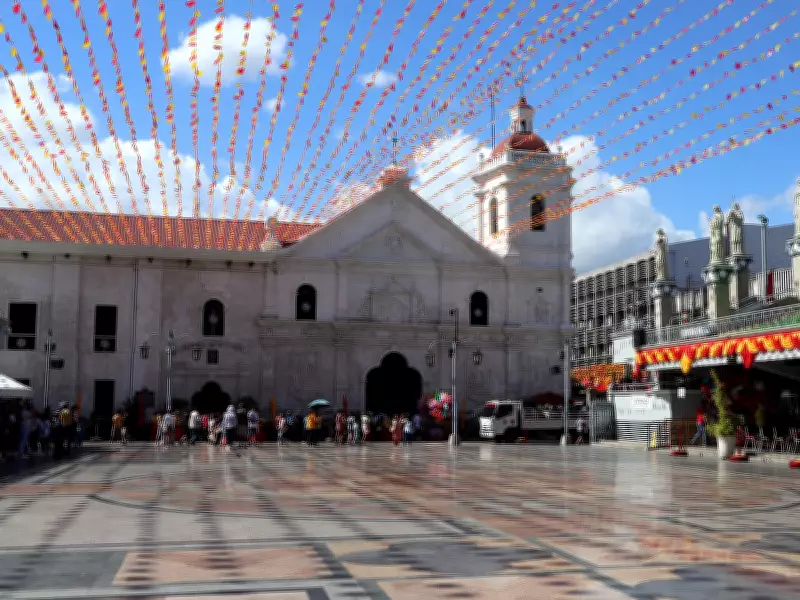
As Holy Thursday approaches on April 2, 2026, the Basilica Minore del Sto. Niño in Cebu stands as one of the seven churches that devout Catholics will flock to for the traditional Visita Iglesia. This centuries-old practice, deeply rooted in the Catholic faith, involves visiting multiple churches on this sacred day, but many believers remain unaware of its profound spiritual significance.
The True Essence of Visita Iglesia
Fr. Vito Jumao-as Jr., a priest from the Archdiocese of Cebu, clarifies that Visita Iglesia is far more than mere "church hopping." He emphasizes that this ritual calls for deep reflection, silence, and a heightened awareness of being in the presence of the suffering Lord. "What matters most is not the distance traveled, but the depth of one's encounter with the Lord," Fr. Jumao-as explains, urging participants to focus on spiritual connection over physical movement.
Historical and Spiritual Roots
As a professor of Church history, Fr. Jumao-as traces the origins of Visita Iglesia to the Easter Triduum, where the Church commemorates the passion, death, and resurrection of Christ. He notes that this tradition serves as a reminder of the Last Supper, when Jesus offered His Body and Blood "for the life of the world." "As we visit the churches, we spiritually accompany Him in His agony and suffering, remaining with Him in silent vigil," he adds, highlighting the central role of the Holy Eucharist in this devotion.

The Significance of Seven Churches
Traditionally, Catholics compile a list of seven nearby churches to visit with family and friends. Fr. Jumao-as points out that this custom dates back to St. Philip Neri in 16th-century Rome, who promoted it as a way to guide believers toward prayer and away from worldly distractions. "The number seven, rich in biblical symbolism, expresses completeness, a full journey of devotion accompanying Christ through His passion," he elaborates, underscoring the symbolic weight of the practice.
Modern Adaptations and Challenges
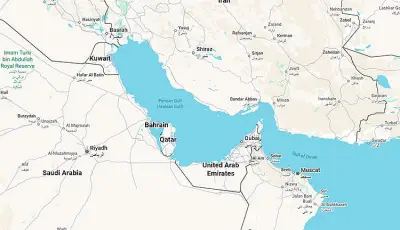
In today's context, Fr. Jumao-as addresses practical concerns, such as rising oil prices due to ongoing Middle East conflicts, which may affect travel plans. He reassures believers that visiting numerous churches is not essential; even a single church can suffice if one dedicates meaningful time in prayer. "What matters is not the number of churches visited, but the quality of prayer," he stresses. In Cebu, where churches are often close together, some opt to walk between them, turning the journey itself into an act of devotion and a way to save on fuel.
The Rise of Digital Alternatives
With the persistence of online Holy Mass since the pandemic, the idea of a virtual Visita Iglesia has gained traction. Many churches now live-stream their Masses and Altar of Repose ceremonies, making the tradition accessible to those unable to attend in person. However, Fr. Jumao-as cautions that while digital platforms can aid prayer, they cannot replace the "real" presence experienced in physical churches. He encourages a balanced approach, leveraging technology without losing the essence of the ritual.
A Pilgrimage of Love
In conclusion, Fr. Jumao-as reframes Visita Iglesia as more than a simple movement from place to place. He describes it as a "pilgrimage of love," an act of worship before Christ who is truly present. This perspective invites believers to deepen their faith and embrace the tradition with renewed spiritual vigor, whether in Cebu's historic Basilica Minore del Sto. Niño or through adapted modern practices.