Davao City Illuminates Unity and Heritage in 89th Araw ng Dabaw Celebration
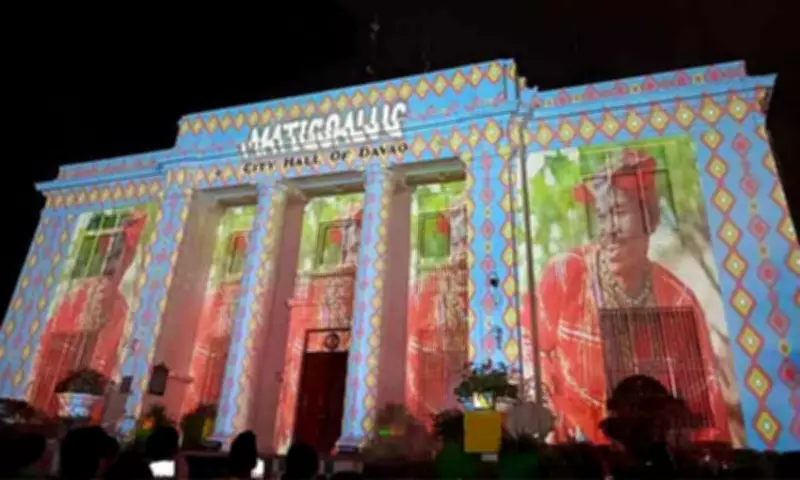
The City Lighting Ceremony at Davao City Hall on Saturday evening marked the official commencement of the 89th Araw ng Dabaw celebration, casting a vibrant glow across the city's administrative heart. City officials, employees, and numerous guests assembled on the City Hall grounds to witness the ceremonial switch-on, which heralded the start of this year's month-long festivities. The building's façade was brilliantly illuminated in a spectrum of colors, continuing an annual tradition that symbolizes Dabawenyo pride and unity.
A Celebration Shaped by the People
As the 89th Araw ng Dabaw drew to a close, it became evident that this celebration truly belonged to everyone. More than just an anniversary, Araw ng Dabaw narrates the city's evolving story through dynamic events and community engagement. This year's theme, "Dabawenyo ko, nilambo, nagkahiusa," which translates to "I am Dabawenyo, I have progressed, we are united," reflects the dual values of progress and unity that residents identify as defining Davao City.
From the opening program, the city underscored its significant growth, including enhanced infrastructure, expanding communities, and new economic opportunities. Simultaneously, it emphasized a profound truth: diversity has not diluted Davao's identity but has instead fortified it. The celebration's scale is matched by the active participation of its people, with crowds comprising longtime residents, migrants, and first-time visitors all mingling in shared spaces. Public parks transformed into communal gathering spots, streets became stages for performances, and food stalls offered flavors influenced by various cultures, creating an atmosphere where the city momentarily slows down to foster connections.

Honoring the 11 Ethnolinguistic Tribes
At the core of the Araw ng Dabaw celebration lies a heartfelt tribute to Davao's roots, represented by the 11 ethnolinguistic tribes: Ata, Bagobo-Klata, Bagobo-Tagabawa, Iranun, Kagan, Maguindanaon, Maranao, Matigsalug, Ovu-Manuvu, Sama, and Tausug. These groups are broadly categorized into two main classifications: the Lumad and the Moro.
The Lumad tribes, including the Ata, Bagobo-Klata, Bagobo-Tagabawa, Matigsalug, and Ovu-Manuvu, are among the earliest inhabitants of the region. Many continue to reside in upland communities, diligently preserving traditional practices in farming, weaving, and craftsmanship. In contrast, the Moro groups—Kagan, Maguindanaon, Maranao, Sama, Tausug, and Iranun—bear strong Islamic influences and a rich history linked to Mindanao's sultanates, with their impact evident in trade, art, music, and governance.
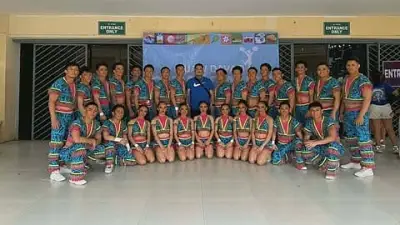
During Araw ng Dabaw, these cultural identities take center stage through vibrant performances and traditional attire. Beyond the festivities, their influence permeates everyday life across the city, shaping its social and cultural fabric.
Faiths Coexisting in Harmony
Davao's unity is perhaps most visibly demonstrated through the peaceful coexistence of different faiths. Mosques, churches, and other places of worship are scattered throughout the city, not as isolated entities but as integral parts of a shared community. In some neighborhoods, the call to prayer harmoniously blends with the ringing of church bells, serving as a subtle yet powerful symbol of this coexistence.
More telling are the daily interactions among residents, where neighbors adapt to each other's traditions, respect differences, and prioritize understanding over division. This harmonious environment is not accidental but the result of intentional efforts by local leaders who ensure cultural groups are represented in programs and policies, balancing development with the preservation of identity.
A City That Chooses Unity
Events like Araw ng Dabaw do more than celebrate; they create spaces where every culture is seen, valued, and actively lived. In Davao, being a Dabawenyo transcends mere residence; it signifies belonging to a community that makes room for everyone, where cultures are not just preserved but are integral to daily life. As the celebration concludes, one truth stands out: in Davao, unity is not merely an abstract concept but a tangible way of life, woven into the city's very essence.