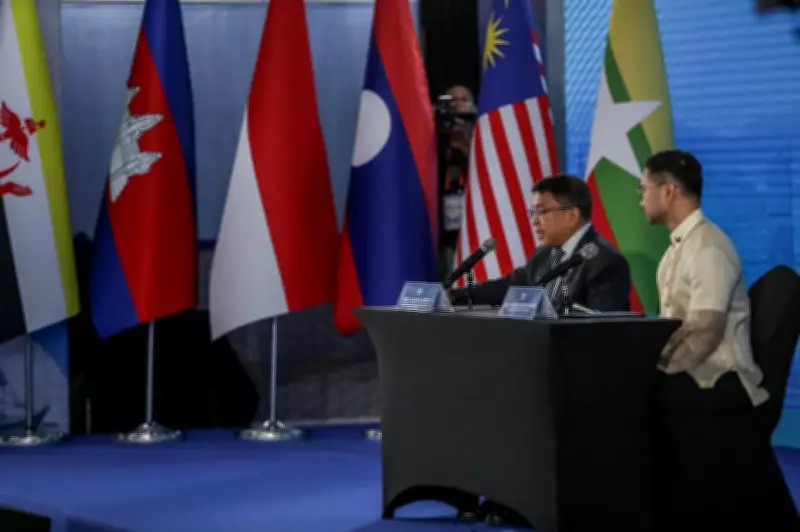
The 48th ASEAN Summit is underway in Cebu City, with President Ferdinand Marcos Jr. at the helm as the Philippines leads the regional bloc. Three major agreements are on the table, aiming to strengthen ASEAN's legal framework, enhance maritime security, and coordinate responses to global crises.
Historic Charter Amendment: The Cebu Protocol
A landmark proposal, the Cebu Protocol, seeks to amend the ASEAN Charter for the first time since its signing in 2007. According to ASEAN Spokesperson Dominic Xavier Imperial, this amendment is crucial for strengthening the organization and facilitating the full integration of Timor-Leste, which became the 11th member in October 2025. The protocol represents a significant step in ASEAN's evolution, addressing institutional gaps and ensuring the bloc remains responsive to emerging challenges.
Maritime Cooperation Declaration
The second key document is the ASEAN Leaders' Declaration on Maritime Cooperation. This initiative focuses on enhancing collaboration among member states in maritime affairs. A central proposal is the establishment of an ASEAN Maritime Center in the Philippines, which would serve as a hub for coordination and capacity building. Additionally, the declaration aims to formalize the ASEAN Coast Guard Forum as a permanent mechanism under the regional framework, ensuring sustained attention to maritime safety and security.

Unified Response to Global Crises
The third major agreement is a collective statement addressing the Middle East crisis. Following special meetings convened by the Philippines earlier this year, the statement seeks to align ASEAN's position and improve coordination during international emergencies. Beyond this, leaders will discuss energy security, food security, and the protection of citizens abroad, reflecting the summit's theme, "Navigating Our Future, Together."
Philippines' Leadership Vision
President Marcos emphasized the need for regional stability, energy security, and support for farmers and small businesses amid global economic uncertainties. In a video message, he stated, "As chair, the Philippines will continue to champion the founding ideals of ASEAN: peaceful co-existence, neutral respect, and cooperation for shared benefits." The decisions made this week will shape ASEAN's approach to territorial disputes, economic resilience, and humanitarian responses for years to come.