Davao Councilor Challenges Permit Requirement for Prostituted Women
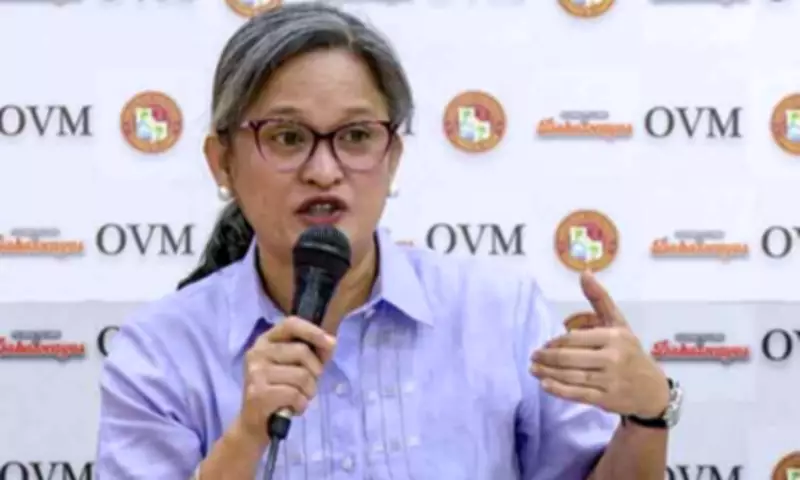
Davao City Councilor Pamela Librado has initiated a move to amend Section 229, Article 27 of Ordinance No. 0291-17, the 2017 Revenue Code of Davao City, which mandates that prostituted women obtain occupational permits. Librado, who chairs the Committee on Civil, Political, and Human Rights, contends that this provision effectively sanctions prostitution, an activity deemed exploitative under both national and local laws.
Formal Request and Legal Contradictions
Librado's office received a formal request from Jeanette Laurelo-Ampog, executive director of Talikala, Inc., urging the removal of the permit requirement. During her privilege speech on March 2, 2026, at the Sangguniang Panlungsod, Librado argued that collecting fees from prostituted women legitimizes an illegal act. "How can the city government collect a revenue fee from an exploitative or illegal activity? A fee imposed to regulate an illegal act may itself be considered void," she stated.
She highlighted that this requirement conflicts with City Ordinance No. 5004, the Women's Development Code, which obligates the local government unit to provide socio-economic support to women in the entertainment industry. Additionally, it opposes the Anti-Trafficking in Persons Act, which penalizes sexual exploitation.

Impact on Women and Financial Burden
As of 2023, approximately 600 women in Davao City are registered under occupational permits as Guest Relations Officers, massage attendants, or "taxi dancers." To secure these permits, prostituted women must complete application forms, obtain health certificates, and provide employment certifications, costing over P4,000 annually. Librado emphasized that this financial burden exacerbates their vulnerability.
Call for Policy Shift and Collaboration
Under Section 16 of the Women's Development Code, the city is mandated to offer services such as immediate health assistance, alternative livelihood programs, and protection against discrimination and gender-based violence. Librado called for a shift towards creating pathways out of exploitation rather than taxing vulnerable individuals. She urged the Committee on Women, Labor, and Finance to collaborate with her committee in amending the provision to align with local policies and moral commitments.
This issue gained attention in October 2023 when NGOs Lawig Bubai and Talikala Incorporated raised concerns about the permits, advocating for addressing root causes and supporting rehabilitation for victims and survivors.