Duterte's Anti-Drug Campaign Was an Attack on the Poor, Victims' Counsel Tells ICC
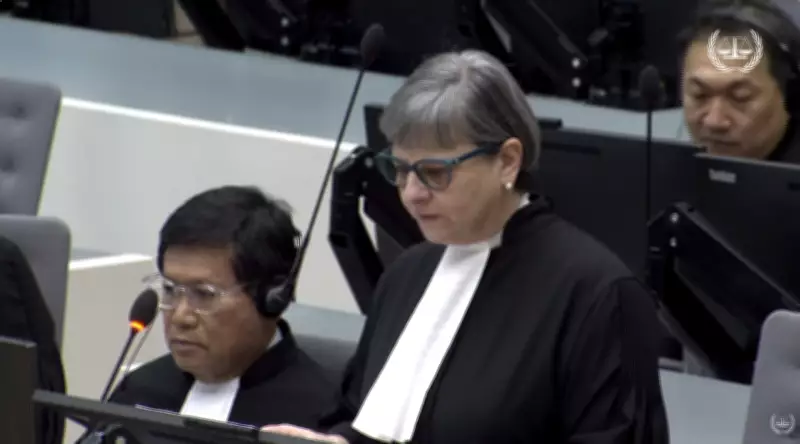
In a powerful statement during the second day of the confirmation of charges hearing at the International Criminal Court (ICC), the legal representative for thousands of victims strongly opposed the release plea filed by former President Rodrigo Roa Duterte. Atty. Paolina Massidda, serving as counsel for the victims, argued that the controversial anti-drug campaign under the previous administration was not genuinely aimed at suppressing the illegal drug trade but rather constituted a deliberate assault on impoverished communities.
Campaign Criticized as Targeting Vulnerable Sectors
Massidda explained that in low-income areas, the use of shabu often serves merely as a coping mechanism for residents. This behavior, she emphasized, stems from a severe lack of access to essential services such as mental health support, adequate education, and stable employment opportunities. She insisted that despite the government's stated focus on combating drug dealers, it is the most vulnerable sectors of society that have been disproportionately caught in the crossfire and excessively affected by the violence and chaos.
Legal Proceedings and Broader Implications
The hearing, which addresses charges of crimes against humanity, has drawn international attention to the Philippines' drug war. Massidda's testimony highlights ongoing debates about human rights and social justice, underscoring the need for comprehensive policies that address root causes like poverty and inequality rather than relying on punitive measures. Her arguments challenge the narrative that the campaign was solely about law enforcement, pointing instead to its devastating impact on marginalized groups.