ICC Urged to Confirm Charges Against Ex-President Duterte in Drug War Cases
In a pivotal development at the International Criminal Court (ICC), the principal counsel representing victims of the Philippine war on drugs has formally requested the confirmation of criminal charges against former President Rodrigo Duterte. This move is emphasized as a critical step toward achieving justice and facilitating healing for the affected families.
Substantial Grounds for Charges
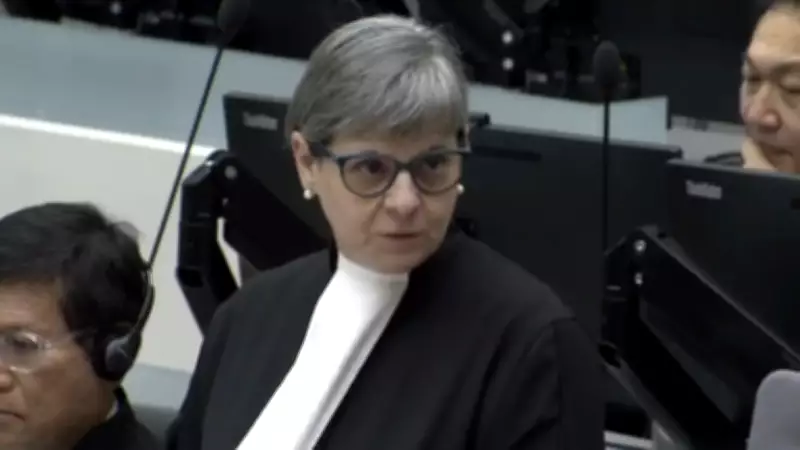
During the second day of the confirmation of charges hearing, Paolina Massidda, the victims' counsel, asserted that the prosecution's evidence meets the "substantial grounds" standard. This standard is necessary to believe that the former president bears criminal responsibility for three counts of crimes against humanity. These charges are linked to at least 76 killings that occurred between 2013 and 2018, a period marked by intense anti-drug operations.
Massidda highlighted that the evidence points to a "common plan" that originated in Davao and was subsequently expanded nationwide. This plan allegedly included the use of "death lists" and public speeches that encouraged killings, which prosecutors argue were part of a systematic attack against civilians.

Long-Awaited Justice for Victims
The counsel stressed that the families of the victims have been waiting for justice for an extended period. Confirming the charges would serve as a formal acknowledgment of the wrongs they have endured, providing a sense of validation and a pathway toward closure. Massidda reiterated that this legal action is not merely procedural but a moral imperative to address the profound suffering caused by the drug war.
Defense Claims of Innocence
In response, Nicholas Kaufman, the lawyer representing former President Duterte, maintained his client's innocence. Kaufman argued that Duterte's statements were merely rhetorical and did not constitute direct orders for unlawful killings. He contended that any use of force was justified under self-defense protocols, framing the allegations as a misinterpretation of the former president's tough-on-crime rhetoric.
Kaufman further asserted that the prosecution's case lacks concrete evidence linking Duterte to the specific crimes, emphasizing that the legal threshold for confirmation has not been met. The defense's position underscores the contentious nature of the proceedings, with both sides presenting starkly contrasting narratives.
Implications for International Justice
This case at the ICC holds significant implications for international justice and accountability. If the charges are confirmed, it could set a precedent for holding high-ranking officials responsible for alleged human rights abuses in anti-drug campaigns. The outcome will be closely watched by global human rights organizations and legal experts, as it may influence future cases involving state-sanctioned violence.
The hearing continues as the ICC deliberates on whether to proceed with a full trial, a decision that will shape the legacy of the Philippine drug war and its impact on victims' families. The pursuit of justice in this matter remains a focal point for advocates seeking to address the complexities of extrajudicial killings and governmental accountability.