US to Conduct Multi-Day Air Drills in Middle East Amid Rising Iran Tensions
In a significant move to bolster its military presence, the United States is set to conduct multi-day air exercises in the Middle East, as announced by the US Central Command (CENTCOM). This development comes amid escalating tensions with Iran, following recent warnings from former President Donald Trump regarding potential military action against the regime.
Drills Aim to Showcase Combat Readiness and Coordination
According to CENTCOM, the primary objective of these drills is to demonstrate that US pilots can execute combat sorties safely and accurately, while effectively operating in coordination with allied forces. The exercises are designed to enhance interoperability and ensure precision in military operations, reflecting a strategic effort to maintain stability in the volatile region.
USS Abraham Lincoln Carrier Strike Group Deployed
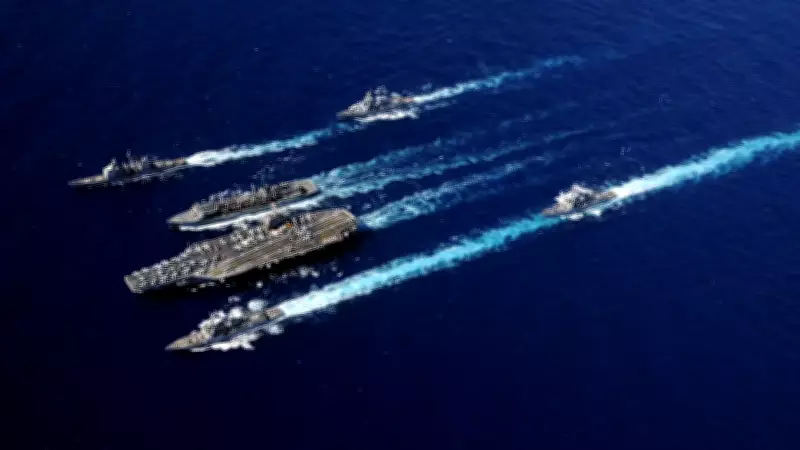
Supporting these drills, the USS Abraham Lincoln carrier strike group has already arrived in the Middle East. This deployment follows Trump's earlier warnings about an "armada" heading towards Iran and the possibility of military action in response to the regime's violent crackdown on anti-government protesters. The presence of this naval force underscores the US's commitment to projecting power and deterring aggression.

Iran's Response and Regional Implications
Iran has responded with strong rhetoric, cautioning that any attack would face a robust retaliation that could destabilize the entire Middle East. This exchange of threats highlights the heightened risk of conflict, with regional allies such as Saudi Arabia and the United Arab Emirates expressing concerns. These countries have warned that they will not permit the use of their airspace for any actions against Iran, emphasizing the delicate diplomatic balance at play.
Safety and Sovereignty Considerations
CENTCOM has assured that the drills will be conducted with the permission of host countries and in coordination with civil and military aviation authorities. This approach aims to ensure safety, operational accuracy, and respect for national sovereignty, mitigating potential risks associated with such large-scale military activities. The command's statement stresses the importance of adhering to international norms while maintaining readiness.
As tensions continue to simmer, these air exercises represent a critical test of US military capabilities and diplomatic finesse in a region fraught with geopolitical challenges. The outcome could significantly influence future US-Iran relations and the broader security landscape of the Middle East.