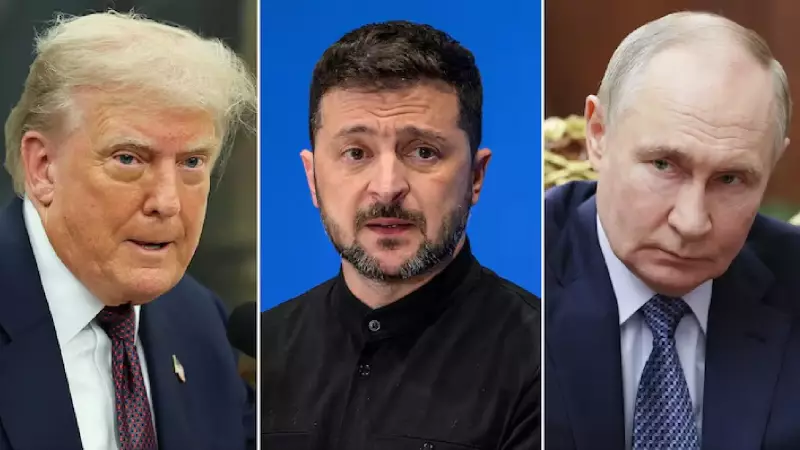
In a significant diplomatic development, the United States, Russia, and Ukraine have commenced high-level negotiations in the United Arab Emirates, aiming to bring a definitive end to the ongoing conflict that has ravaged the region since 2022. This trilateral working group meeting represents the first of its kind since Russia launched its full-scale invasion of Ukraine, signaling a potential breakthrough in international efforts to broker peace.
Historic Meeting in the United Arab Emirates
The talks are being held in the United Arab Emirates, a neutral venue that has emerged as a key mediator in global conflicts. Representatives from all three nations are participating in the discussions, which focus on establishing a sustainable ceasefire and addressing the core issues that have prolonged the war. The choice of the UAE underscores its growing role in facilitating diplomatic resolutions to complex international disputes.
Background and Diplomatic Efforts
This meeting follows a series of preparatory engagements, including recent interactions between US special envoy Steve Witkoff, Jared Kushner—son-in-law of US President Donald Trump—and Russian President Vladimir Putin. These preliminary discussions laid the groundwork for the current talks, highlighting the persistent efforts by the United States to revive peace initiatives despite previous setbacks.

In the past, the US has called for multiple ceasefire meetings, but these efforts have often faltered due to disagreements over critical conditions, such as territorial concessions from Ukraine. The failure to reach consensus on these points has hindered progress, leaving the conflict unresolved and exacerbating humanitarian crises in the region.
Hopes for a Fruitful Outcome
There is cautious optimism among US officials that this latest round of negotiations could yield more positive results. By bringing together key stakeholders in a structured dialogue, the aim is to bridge differences and pave the way for a comprehensive agreement that addresses security concerns, territorial integrity, and post-war reconstruction. The international community is closely monitoring the proceedings, recognizing the potential for these talks to de-escalate tensions and restore stability.
As the discussions unfold, the focus remains on achieving a durable ceasefire that can halt the violence and create a foundation for long-term peace. The outcome of this meeting could have far-reaching implications for global geopolitics, influencing future diplomatic approaches to conflict resolution in similar contexts.