DMW Unveils 200,000 Overseas Job Orders for OFWs Impacted by Middle East Conflict
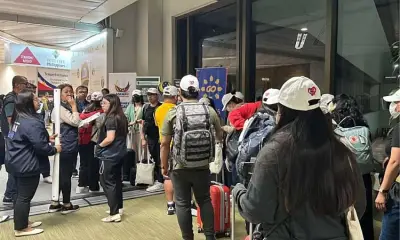
In a significant move to support overseas Filipino workers (OFWs) affected by the escalating hostilities in the Middle East, the Department of Migrant Workers (DMW) has announced the availability of at least 200,000 verified overseas job orders. This initiative comes as 34 OFWs safely returned home from Dubai, United Arab Emirates (UAE) early Friday, March 6, 2026, highlighting the ongoing repatriation efforts amid the regional crisis.
Alternative Destinations and Job Sectors
During an interview at the sidelines of the National Reintegration Network and Job Fair, Migrant Workers Secretary Hans Leo Cacdac revealed that these job orders are spread across alternative destination countries outside the Middle East, including regions in Asia, Africa, Europe, and the Americas. "We have around 200,000 job orders that we can offer to them. They are mostly in Asia, Africa, Europe, and Americas," said Cacdac. He emphasized that these opportunities are equivalent in number to the jobs typically available in Middle Eastern nations, ensuring a viable transition for affected workers.
The job orders target sectors where returning OFWs have significant experience, such as:

- Services
- Construction
- Hospitality
- Medical fields
- Teaching
Cacdac noted that the DMW analyzed the profiles of repatriated workers to tailor these opportunities effectively, stating, "We looked at the returning workers and their types of work. They are mostly in the sectors of services, construction, hospitality, medical, and teachers."
Repatriation and Assistance Efforts
According to DMW data, over 4,000 OFWs and their family members have been repatriated from the Middle East since early March 2026, when the war initially broke out. Beyond those already returned, Cacdac assured that the department is prepared to extend similar assistance to OFWs who are stranded in the Philippines, unable to depart due to the ongoing conflict. "We are ready to provide all of them assistance through the programs we are offering," he affirmed, highlighting a comprehensive support system for both repatriated and stranded individuals.
Cacdac acknowledged the broader impact of the crisis, explaining, "Of course, other sectors abroad are also affected by the war, so we advise them not to leave if they have no job to return to. Having said that, when the situation subsides, they can still go back abroad." This cautious approach aims to prevent further disruptions while maintaining future opportunities for OFWs.
Challenges in Deployment
The recruitment sector has reported that approximately 40,000 OFWs bound for various Middle East nations are currently staying in accommodation centers provided by their deploying agencies or have returned to their provinces, as deployment has been halted. This underscores the widespread effects of the war on Filipino migrant workers, with many facing uncertainty and displacement.
The DMW's proactive response, including the 200,000 job orders and ongoing repatriation efforts, seeks to mitigate these challenges, offering a lifeline to OFWs caught in the crossfire of geopolitical tensions. As the situation evolves, the department remains committed to safeguarding the welfare and livelihoods of Filipino workers abroad, ensuring they have access to secure employment options worldwide.