Overseas Filipino Remittances Climb to $2.79 Billion in February 2026
Money sent home by overseas Filipinos surged to US$2.79 billion in February 2026, marking a significant increase that underscores the sustained inflows crucial for supporting domestic consumption and the broader Philippine economy. This robust performance highlights the resilience of remittance flows amid global economic fluctuations.
Steady Growth in Cash Remittances
According to data released by the Bangko Sentral ng Pilipinas (BSP), total cash remittances for the first two months of 2026 reached $5.81 billion, reflecting a 3.1 percent rise from the $5.63 billion recorded in the same period last year. This upward trend demonstrates the continued reliance on overseas Filipino workers as a key driver of economic stability and growth.
Top Sources of Remittances
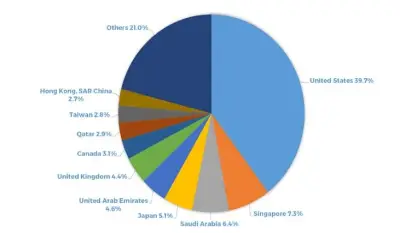
The United States maintained its position as the largest source of remittances during the January–February period, contributing significantly to the overall inflows. Following closely were Singapore and Saudi Arabia, which also played pivotal roles in bolstering the remittance figures. These countries remain vital hubs for Filipino expatriates, whose earnings are funneled back to support families and local businesses in the Philippines.

Personal Remittances Show Consistent Increase
In addition to cash remittances, personal remittances—which encompass bank transfers, informal channels, and remittances in kind—totaled $3.10 billion in February alone. On a year-to-date basis, personal remittances grew by 3.1 percent to $6.46 billion, up from $6.27 billion in January–February 2025. This comprehensive measure underscores the multifaceted nature of remittance flows, which extend beyond formal banking systems to include various informal and in-kind contributions.
Economic Implications and Future Outlook
The consistent growth in remittances provides a vital cushion for the Philippine economy, enhancing household spending power and contributing to overall economic resilience. As overseas Filipinos continue to send money home, these inflows are expected to play a critical role in sustaining domestic consumption and mitigating potential economic challenges. The BSP's data reaffirms the importance of monitoring remittance trends as a barometer of economic health and stability.