The Heavy Burden of Global Conflict on Overseas Filipino Workers
When a Filipino citizen makes the difficult decision to leave their homeland and work abroad, it is almost never a matter of personal preference or wanderlust. This profound separation from family, birthdays, home-cooked meals, and the comforting presence of loved ones represents a necessary sacrifice. The driving force is the unwavering hope of securing a better, more stable future for their families back in the Philippines. This foundational reality is what makes the impact of international conflict on Overseas Filipino Workers and their relatives so devastatingly personal and acute.
The Sudden Shift from Work to Survival
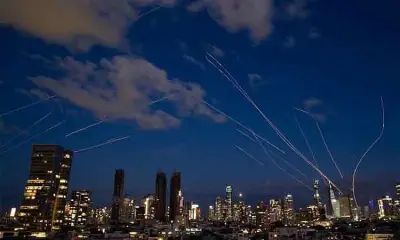
One day, an OFW is simply performing their job in a foreign land. The next, they find themselves thrust into a fight for survival as their host country descends into violence or political instability. For the families waiting anxiously in the Philippines, every news bulletin and social media update ceases to be abstract global reporting. The individual in peril is not a distant statistic; it is their mother, father, sibling, or child facing immediate danger thousands of miles away.
Compounding this trauma is a painful economic barrier. Many OFWs who desperately wish to evacuate and return to the safety of the Philippines find themselves trapped by prohibitively expensive flight costs. This financial obstacle should never be accepted as normal or inevitable. These are the same individuals who have spent years, sometimes decades, sacrificing their own comfort. They have consistently sent remittances home, covered educational expenses, and shouldered the financial weight of their entire households.

The Illusion of Choice in Times of Crisis
Yet, when existential danger emerges, the expectation often falls upon them to deplete their hard-earned savings simply to reach safety. Society frequently champions the concept of free choice, but what genuine choice exists between remaining in a conflict zone or returning home financially ruined? This predicament does not resemble freedom; it feels like being backed into a corner with no equitable escape. If the nation truly regards OFWs as modern-day heroes, this admiration must translate into tangible support when they are most vulnerable—scared, stranded, and struggling to survive.
The Ripple Effect of Fear on FamiliesThe profound distress does not remain confined to the worker overseas. It cascades directly into the homes and hearts of their families in the Philippines. Parents endure sleepless nights, plagued by worry. Children become glued to their phones, refreshing news feeds and messaging apps. Spouses, siblings, and extended family members all share a collective, gnawing fear: what if tragedy strikes before their loved one can return? Even a few hours of communication silence can feel like an eternity, amplifying the psychological toll.
This is perhaps the cruelest aspect of international conflict for Filipino families—it refuses to stay overseas. It infiltrates domestic spaces, taints daily prayers, and casts a shadow over every awaited message. This pervasive anxiety is why the issue carries such immense emotional weight. While OFWs are routinely praised for their economic contributions, verbal accolades ring hollow when they are confronting fear and instability without adequate institutional support.
Beyond Remittances: Recognizing Sacrifice and Ensuring Protection
Overseas Filipino Workers should be remembered not merely as sources of financial support, but as individuals who surrendered profound personal joys and security to ensure their families' survival and stability. During periods of global unrest, they deserve far more than passive admiration. They are entitled to active protection, urgent governmental action, and substantive assistance. They deserve a pathway home that does not penalize them with financial hardship.
Because when a Filipino abroad is endangered, the entire family unit feels the tremors of that danger. And when the world becomes an unsafe place, the absolute minimum obligation is to ensure that our own people are not abandoned to face the storm alone. The call is for a system that matches their sacrifice with unwavering support, transforming the label of "hero" from a platitude into a promise of security.