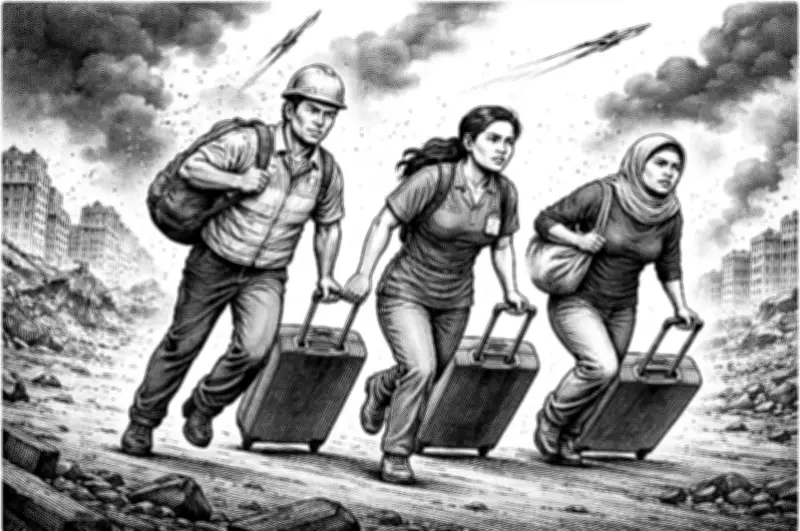
The successful repatriation of 343 overseas Filipino workers (OFWs) from the Middle East underscores the government's commitment to their safety, yet it raises critical questions about their long-term prospects upon returning home. While this operation marks a humanitarian achievement, the real challenge lies in ensuring these individuals do not face uncertainty and unemployment, which many rely on to support their families.
The Repatriation as a Starting Point, Not an End
Repatriation is merely the beginning of a larger governmental responsibility: reintegration. According to Hans Leo Cacdac, sufficient funds are allocated for repatriation and reintegration initiatives. However, the pressing issue is whether these resources are adequate to secure sustainable livelihoods for the returnees.
Key Steps for Effective Reintegration
To address this, the government must strengthen several key areas:

- Immediate Employment Matching: Financial aid alone is insufficient, as it can be depleted within weeks. Direct connections with local industries are essential to absorb OFWs, especially those with specialized skills.
- Low-Interest Loans and Livelihood Support: Many OFWs aspire to start businesses but are hindered by capital shortages. Implementing zero or low-interest loan programs, coupled with mentoring, can empower them economically.
- Skills Retraining and Upskilling: Local job demands often differ from those abroad. Providing training in areas like digital skills, agribusiness, and technical trades aligns returnees with current economic needs.
- Long-Term Economic Planning: Continued reliance on labor export leaves Filipinos vulnerable to global crises. It is time to bolster local industries to reduce the necessity of seeking work overseas.
Repatriation is a compassionate step, but without a solid plan, it risks being only a temporary solution. The focus must shift to creating lasting opportunities that prevent future vulnerabilities.