A recent online survey conducted by the University of Mindanao-Institute of Popular Opinion (UM-IPO) has uncovered that a significant majority of Dabawenyos, approximately 84.8 percent, strongly oppose the military actions undertaken by the United States and Israel against Iran. This opposition is primarily rooted in deep-seated humanitarian concerns, with respondents highlighting the unnecessary destruction and civilian casualties resulting from the conflict.
Survey Methodology and Key Findings
The UM-IPO survey, which ran from March 11 to 22, 2026, targeted Davao City residents aged 18 and above who possess active email accounts. Utilizing targeted advertisements on popular social media platforms such as Facebook, Messenger, and Instagram, the study gathered responses from roughly 1,200 individuals. With a 95 percent confidence level and a margin of error of ±2.83 percent, the results are statistically robust and reflective of local sentiments.
Out of the total respondents, 1,018 expressed opposition to the military actions, while only 182 indicated support. Among those opposed, nearly seven in ten cited the conflict's role in causing excessive destruction and harm to civilians, emphasizing the humanitarian toll. Additionally, about three in ten respondents warned that the war in the Middle East could escalate further, potentially leading to broader global instability.

Reasons for Opposition and Support
For those opposing the military strikes, the primary concerns revolve around the humanitarian impact and economic repercussions. Many respondents, like Dianara Rosete, a teacher in Davao City, argued that non-military options should have been pursued by the United States and Israel. Rosete noted that the effects of the conflict are already being felt locally, with her school implementing energy-saving measures such as paperless systems and online meetings to mitigate rising costs.
On the other hand, respondents who support the military action justified their stance by citing the necessity to prevent Iran from developing nuclear weapons. Specifically, 23.6 percent pointed to regional security as a key factor, while 19.3 percent emphasized the protection of allies. Despite this support, awareness of the conflict remains exceptionally high, with 1,188 respondents stating they are informed about the situation, and only 12 claiming ignorance.
Economic and Social Implications
The survey also revealed widespread concern over the economic impact of the conflict. Most respondents expressed fears about rising oil prices, which could lead to increased costs for imported goods and broader global economic instability. Hershey Abundo, a resident of Matina Pangi, echoed these sentiments, stating that the conflict is affecting civilians through higher fuel prices, which in turn drive up transportation costs and the prices of basic services.
Abundo questioned the preparedness of the community for potential economic strain if the conflict escalates further, noting that current government responses, such as subsidies for drivers and workers, offer only temporary relief. She urged authorities to adopt more sustainable policies to stabilize prices and protect vulnerable sectors, highlighting the need for long-term solutions.
Safety Concerns for Overseas Filipino Workers
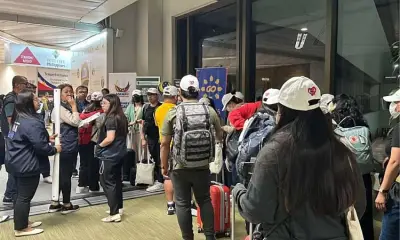
Several respondents raised specific concerns about the safety of Overseas Filipino Workers (OFWs) in the Middle East, fearing that further escalation of the conflict could jeopardize their well-being. This adds a personal dimension to the opposition, as many Dabawenyos have family members or friends working abroad in regions affected by the turmoil.
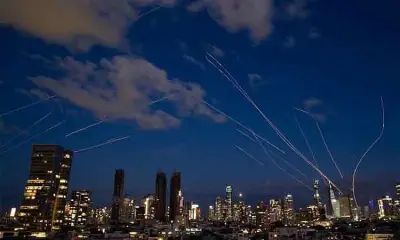
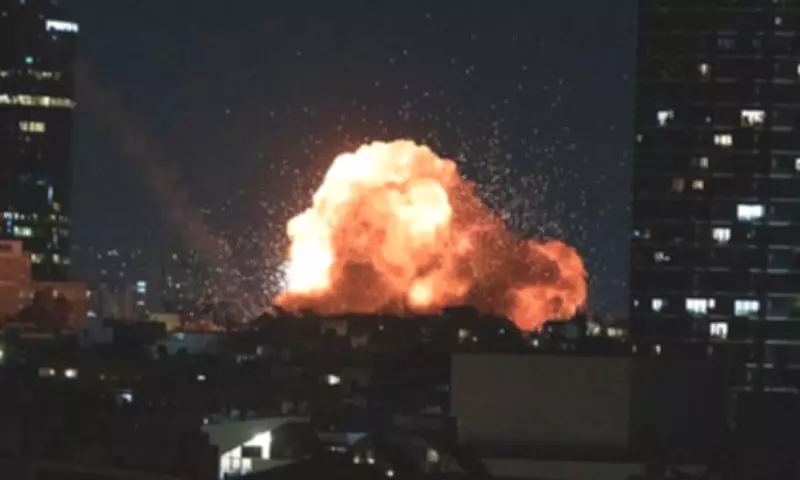
The conflict, which began on February 28, 2026, with airstrikes targeting Iran's military bases and missile systems, has already contributed to higher global oil prices and economic strain. The escalation underscores the interconnectedness of global events and local realities, as seen in Davao City's response to the crisis.

In summary, the UM-IPO survey paints a clear picture of Dabawenyos' strong opposition to the US-Israel military actions against Iran, driven by humanitarian, economic, and social concerns. As the conflict continues to unfold, these findings highlight the importance of considering civilian perspectives in international affairs and the need for sustainable policy responses to mitigate adverse effects.