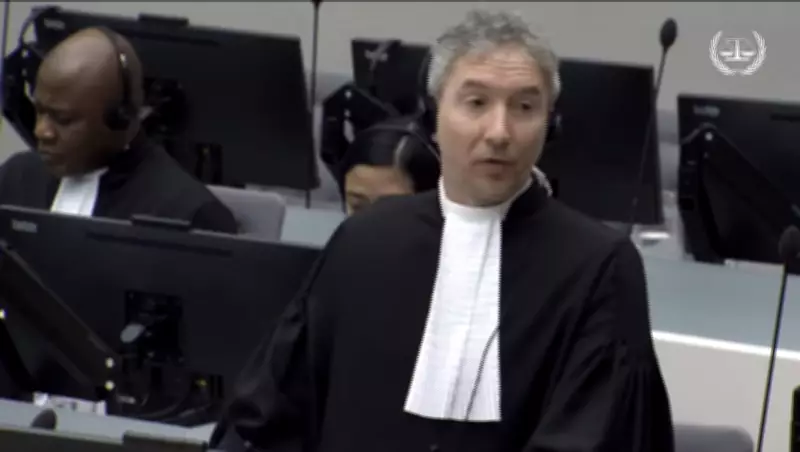
ICC Prosecution Accuses Duterte of Implementing 'Davao Model' in War on Drugs
In a significant development at the International Criminal Court (ICC), prosecutors have formally accused former Philippine President Rodrigo Duterte of employing the so-called "Davao model" to execute widespread killings across the nation upon assuming office. During the ongoing pre-trial hearings for crimes against humanity, ICC Trial Lawyer Edward Jeremy asserted in his manifestation that the former chief executive merely fulfilled campaign promises, focusing on alleged executions of high-value targets from the controversial narco list of the previous administration.
'Project Double Barrel' Memo Presented as Key Evidence
The prosecution team at the International Criminal Court has officially submitted the command memorandum of the contentious war on drugs, known as "Project Double Barrel," as part of the evidentiary proceedings. As the submission of evidence and case merits continues, ICC trial lawyer Edward Jeremy laid out this document before Pre-Trial Chamber I, highlighting its role as the official guideline for the national police in enforcing the bloody anti-drug campaign under Duterte's administration.
This memo is now being utilized by ICC prosecutors as a crucial piece of evidence to substantiate claims of a systematic policy of killings that resulted in thousands of deaths nationwide. The prosecution team is persistently elaborating on the submitted evidence to reinforce the accusations against the former leader, arguing that the 'Davao model'—a strategy allegedly honed during Duterte's tenure as mayor of Davao City—was scaled up to a national level, leading to human rights violations.

The hearings delve into how this model purportedly facilitated extrajudicial actions, with prosecutors contending that it reflects a premeditated approach to targeting drug suspects. As the ICC scrutinizes these allegations, the case underscores international legal challenges surrounding the war on drugs in the Philippines, with potential implications for accountability and justice in similar contexts globally.