ICC Prosecution Concludes Duterte Charges Hearing with Strong Argument for Trial
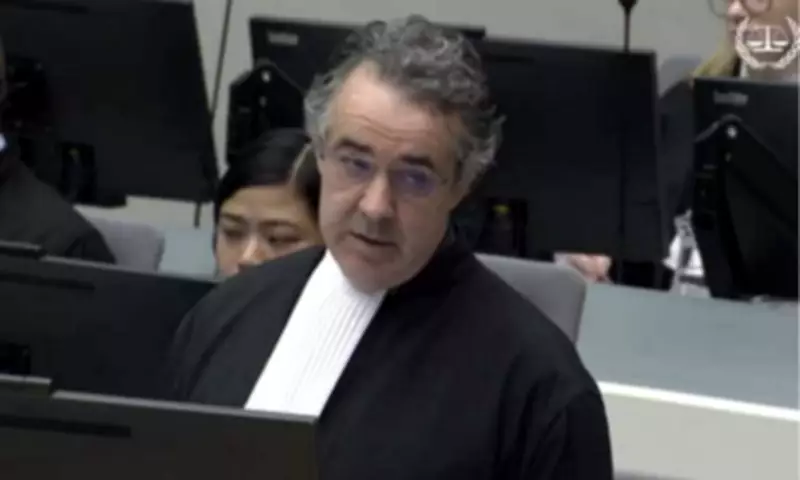
THE HAGUE – The International Criminal Court prosecution has formally concluded its case for moving forward with a full trial against former Philippine president Rodrigo R. Duterte, asserting that the legal threshold of "substantial grounds" has been definitively met. Senior trial lawyer Julian Nicholls delivered the Office of the Prosecutor's powerful closing statement during the final day of the confirmation of charges hearing on Friday, February 27, 2026.
Prosecution Counters Defense Arguments
In his comprehensive address, Nicholls directly countered the defense's two-day presentation led by counsel Nicholas Kaufman, arguing that the very nature of Kaufman's detailed rebuttals demonstrated why this case must advance to trial. "What my friend did today, meticulously examining each incident and attempting to dismantle them piece by piece, that resembled a closing argument delivered after a full trial," Nicholls stated emphatically.
He further elaborated that the discrepancies highlighted by the defense regarding witness testimonies are precisely the types of evidentiary matters that a trial is designed to resolve. "The issues raised concerning conflicting witness statements—where one witness says X and another says Y—are exactly what gets sorted out during the trial process. For the purpose of confirming these charges, the testimony supporting our allegations is sufficient," Nicholls added.

Clarifying the Meaning of "Neutralization"
A significant point of contention addressed was the interpretation of the term "neutralization" within the context of the government's anti-illegal drugs campaign. The prosecution firmly refuted the defense's assertion that the term merely meant to subdue suspects. Nicholls presented evidence indicating that, in this specific operational context, "neutralization" was understood to mean "to kill."
"Whether we can ultimately prove this interpretation beyond a reasonable doubt is a separate matter for trial," Nicholls conceded. "However, regarding whether we have established substantial grounds at this stage, the answer is unequivocally clear: we have."
The Charges and Legal Framework
Former president Duterte faces allegations of crimes against humanity, specifically murder and attempted murder, linked to the anti-drug operations conducted during his tenure as mayor of Davao City and later as president of the Philippines. The ICC prosecutors have detailed three primary counts:
- Murders allegedly committed by the Davao Death Squad during Duterte's mayoral period in Davao City.
- Murders of high-value targets during his presidential term.
- Murders and attempted murders occurring during village clearance operations under his presidency.
The prosecution accuses Duterte of being "individually criminally responsible" through several modes of liability, including indirect co-perpetration, ordering and inducing the crimes, and aiding and abetting their commission.
Victims' Representative Supports Prosecution
Common legal representative for the victims, Gilbert Andres, also delivered a closing statement, reinforcing the prosecution's position. Andres presented a series of rebuttals to the defense's submissions, particularly regarding the use of Duterte's public speeches to establish criminal intent.
"Under the Philippine Constitution, executive power is vested in the president," Andres argued. "Therefore, public statements made by the president regarding policy carry the weight of official policy. This is a crucial element in establishing intent."
Next Steps in the Judicial Process
It is important to clarify that this confirmation of charges hearing is not a trial itself. Its purpose is solely to determine whether sufficient evidence exists to establish "substantial grounds to believe" that the accused committed the crimes charged. The ICC Pre-Trial Chamber is now tasked with reviewing all submissions.
The chamber will issue its written decision within sixty days following the hearing's conclusion. This decision will determine whether all, some, or none of the charges are confirmed, thereby authorizing the case to proceed to a full trial before the International Criminal Court.