ICC Prosecutors Launch Case Against Former Philippine President Duterte with CCTV Evidence
Prosecutors at the International Criminal Court (ICC) formally opened their case against former Philippine President Rodrigo Duterte on February 23, 2026, presenting compelling CCTV footage that they argue demonstrates his awareness and tacit approval of extrajudicial killings in Davao City. This confirmation of charges hearing is a critical step to determine whether substantial grounds exist to bring the 80-year-old former leader to trial for alleged crimes against humanity, linked to his controversial anti-drug campaign and earlier anti-crime operations during his tenure as mayor of Davao City.
CCTV Footage at the Heart of the Prosecution's Argument
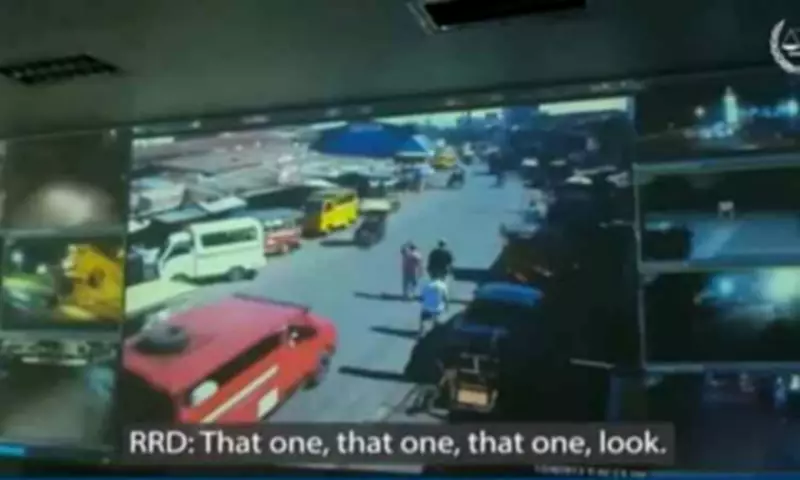
A 2013 CCTV recording has emerged as a central piece of evidence in the prosecution's case. This clip, which had previously circulated online, depicts the fatal shooting of three alleged thieves at the Agdao Public Market. Prosecutors assert that the footage captures Duterte viewing the incident, with his reaction interpreted as suggesting approval. This, they claim, reinforces long-standing allegations that the gunmen, believed to be part of the so-called Davao Death Squad, operated with impunity under his leadership.
Senior trial lawyer Julian Nicholls posed a pointed question during the proceedings: "If Mr. Duterte was the honest mayor the defense claims he was, why was this triple murder never solved?" He emphasized that the shooters' identities were clearly visible on the CCTV footage. Deputy Prosecutor Mame Mandiaye Niang further argued that the Agdao killings were not isolated incidents but part of a systematic anti-crime campaign, alleging an institutional pattern of protection for perpetrators.

Alleged Co-Perpetrators Named in the Case
In a significant development, prosecutors presented a slide listing five individuals described as Duterte's alleged co-perpetrators. These include:
- Senators Ronald "Bato" Dela Rosa and Christopher "Bong" Go
- Former Davao City police chief Vicente Danao
- Former NBI regional director Dante Gierran
- Lawyer Vitaliano Aguirre II
The prosecution contends that Duterte was instrumental in creating and directing the Davao Death Squad and institutionalizing the "Davao Model," which they allege was later replicated on a national scale during his presidency.
Defense and Counterarguments Challenge Prosecution's Narrative
Former Davao journalist Ben Tesiorna, who originally recorded the footage, has publicly disputed the prosecution's interpretation. In a statement to SunStar Davao, Tesiorna clarified that Duterte was demonstrating the city's newly installed CCTV system, not expressing approval of the killings. "I took that video myself, and nowhere in it was FPRRD gloating about the killings," Tesiorna wrote, referring to Duterte by his initials. "He was simply proud of the high-tech CCTVs that could zoom in several meters, which was more than a decade ago."
Tesiorna explained that the recording was made during a journalist's visit to the newly established Central 911 Operations Center in Davao City around midnight. He maintained that Duterte was showcasing the surveillance capabilities, including zooming in on distant scenes like a couple near a fast-food outlet, and that the clip was not an endorsement of extrajudicial killings.
Legal Strategy and Next Steps in the ICC Proceedings
Duterte's lead counsel, British-Israeli lawyer Nick Kaufman, accused prosecutors of "cherry-picking" evidence to construct a narrative of state-sponsored violence. Following the prosecution's presentation, victim representatives spoke, and the defense offered its response. The confirmation hearing is scheduled to continue on February 26 and 27, 2026.
Pre-Trial Chamber I judges may take up to 60 days after the hearings conclude to deliberate and decide whether to commit Duterte to a full trial. This case marks a pivotal moment in international justice, with potential implications for accountability in anti-drug campaigns globally.