Philippine Automotive Sector Maintains Optimistic Outlook for 2026 Sales Target
The Philippine automotive industry is demonstrating resilience and forward momentum, with industry leaders expressing strong confidence in achieving significant sales milestones this year. Despite a noticeable dip in conventional vehicle sales during January 2026, the Chamber of Automotive Manufacturers of the Philippines Inc. (CAMPI) remains steadfast in its projection that the sector could reach approximately 500,000 total vehicle sales by the end of the year.
January Sales Figures Reflect Market Adjustments
According to data released by CAMPI, the Truck Manufacturers Association (TMA), and other industry sources, total conventional vehicle sales for January 2026 reached 33,696 units. This figure represents a decline from the 37,504 units sold in January 2025 and a more substantial drop from the 42,870 units recorded in December 2025. The breakdown of these sales reveals a diverse market landscape.
Commercial vehicles led the segment with 27,518 units sold, followed closely by light commercial vehicles at 20,392 units. Passenger cars accounted for 6,178 sales, while Asian utility vehicles reached 6,253 units. The truck and bus categories showed more modest numbers, with light-duty variants at 605 units, medium-duty at 226, and heavy-duty trucks and buses at 42 units.

Electrified Vehicle Segment Shows Promising Growth
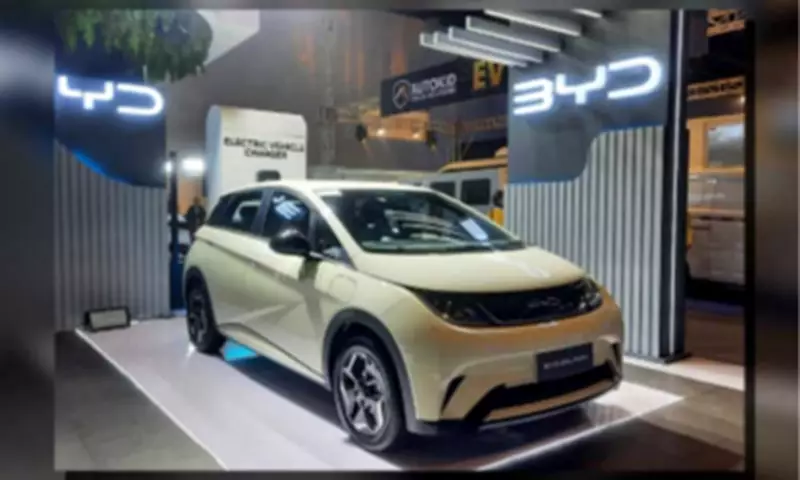
In a positive development for sustainable transportation, electrified vehicle (EV) sales in January 2026 totaled 2,610 units. While this is lower than the 4,358 EVs sold in December 2025, it marks a significant 63 percent increase compared to the 1,600 units sold in January 2025. This growth trajectory underscores the expanding adoption of electric mobility solutions in the Philippine market.
Industry Leadership Confident in Year-End Goals
CAMPI President Jose Maria Atienza addressed the January sales figures, noting that the decline was anticipated following a record-high sales surge in December 2025, which was the industry's strongest performance since 2017. "January 2026 sales level indicates that the industry is still on pace to meet its yearend goal of surpassing 500,000 sales," Atienza stated emphatically.
He further elaborated that when market seasonality adjustments are considered, the January sales figures align with the steady growth pace observed during the second half of 2025. This perspective suggests that the automotive market is maintaining a healthy and sustainable expansion rhythm, rather than experiencing a concerning downturn.
Strategic Implications and Future Prospects
The automotive industry's optimism is rooted in several key factors:
- Seasonal market patterns that typically see fluctuations between year-end peaks and post-holiday adjustments.
- Continued consumer demand across multiple vehicle categories, particularly in commercial and utility segments.
- Growing electrified vehicle adoption that points toward evolving market preferences and environmental consciousness.
- Industry resilience demonstrated through consistent performance metrics when viewed across broader timeframes.
As the Philippine automotive sector navigates the complexities of 2026, the combination of traditional vehicle sales stability and accelerating EV market penetration creates a dynamic landscape. Industry observers will be monitoring how these trends develop throughout the year, particularly in relation to economic factors, consumer confidence, and infrastructure developments supporting vehicle electrification.