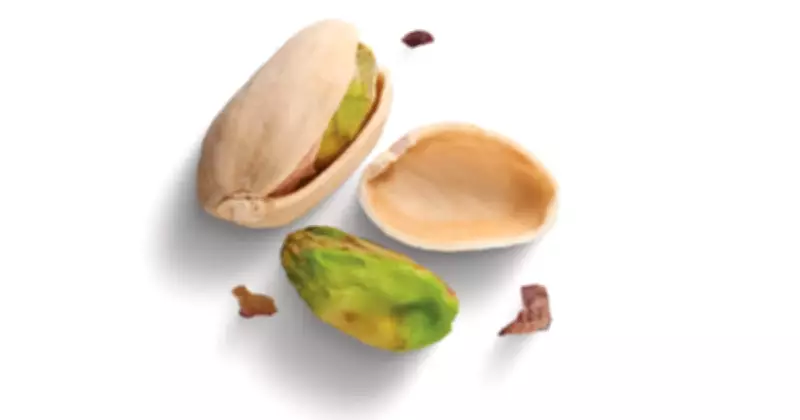
Pistachio Power: 7 Surprising Facts About the Viral Green Superfood
Food trends may come and go online, but pistachio has never needed defending — it's consistently adored. Versatile, distinct and instantly recognizable by its green hue, it may very well become the nostalgic snack today's kids remember years from now.
This National Pistachio Day (February 26), here are seven surprising facts about the little green "nut" taking over everything from pastries to viral desserts.
1. Pistachio Hype Literally Caused a Global Shortage
The viral pistachio chocolate craze didn't just trend — it strained global supply chains to their limits. A 2025 Financial Times report, citing nut trader Giles Hacking of CG Hacking, noted pistachio kernel prices jumping dramatically from $7.65 to $10.30 per pound. This price surge occurred after a poor 2024 US harvest collided with soaring dessert demand across multiple continents.

TikTok met agriculture — and agriculture blinked under the pressure of unprecedented consumer interest.
2. The Famous Dubai Pistachio Chocolate Has a Filipino Co-Creator
The internet-breaking pistachio-filled "Dubai chocolate bar" by FIX Dessert Chocolatier was co-created by Filipino pastry chef Nouel Catis Omamalin alongside entrepreneur Sarah Hamouda. A single TikTok video showcasing this luxurious treat surpassed an astonishing 120 million views, propelling it to global fame.
Khaleej Times later traced Chef Nouel's remarkable journey from pastry chef at the iconic Burj Al Arab to becoming a global dessert innovator whose creations capture international attention.
3. Pistachios Are Nutritional Overachievers
According to a comprehensive 2023 Healthline article, a one-ounce serving (about 49 nuts) contains approximately 159 calories, six grams of protein and three grams of fiber. They're also exceptionally rich in essential minerals including potassium, copper and manganese.
Pistachios rank among the highest vitamin B6-containing foods available, a nutrient essential for blood sugar regulation and oxygen transport throughout the body. Ounce for ounce, they can rival a banana's potassium content, making them a powerhouse snack option.
4. They're in the Bible — And Not Technically Nuts
Pistachios are ancient enough to appear in sacred scripture. Genesis 43:11 lists them among prized gifts of the land with the passage: "Put some of the best products of the land in your bags and take them down to the man as a gift — a little balm and a little honey, some spices and myrrh, some pistachio nuts and almonds."
This biblical reference demonstrates how pistachios have been valued for millennia as precious commodities worthy of presentation as gifts.
5. Pistachios Traveled Ancient Trade Routes Into Europe
According to American Pistachio Growers, pistachio cultivation spread westward through early Islamic expansion and Levant trade networks that connected diverse regions. Venetian merchants later transported pistachios from Syrian growing regions into Italy via established Mediterranean trade routes — centuries before modern pastry trends rediscovered their culinary potential.
This historical journey explains how pistachios became integrated into European cuisine long before contemporary food trends brought them renewed attention.
6. They May Support Women's Health During Menopause
Nutrition research cited by American Pistachio Growers highlights pistachios' potential benefits for heart health, blood sugar control and weight management — all key concerns during and after menopause. Their unique combination of plant protein, fiber, potassium and magnesium may also help maintain bone density and muscle health as estrogen levels naturally decline with age.
These nutritional properties position pistachios as more than just a tasty snack, but as a potential dietary component supporting women's health through different life stages.
7. Not Botanically Nuts (But Still Called Nuts)
A detailed 2020 Healthline article explains that true botanical nuts are hard-shelled fruits with an inedible outer shell and a single seed inside, such as chestnuts and hazelnuts. Pistachios are technically edible seeds of the pistachio tree fruit — not true nuts in the botanical sense.

However, they are still classified as tree nuts in culinary use and allergy guidelines, maintaining their familiar categorization despite the technical distinction. This explains why pistachio allergies are grouped with other tree nut allergies in medical contexts.