What has begun quietly can now be seen in how we move with one another. Not in what we claim, but in what it feels like to remain in the same space.
You see it in a room where one voice does not need to rise for it to be heard. Someone speaks, and instead of being cut off, they are allowed to finish. The next voice does not rush in. It responds, but leaves something of what was heard intact. Something holds.
You see it again. A person says no, clearly, without turning it into spectacle. The refusal does not humiliate. It does not close the room. Others remain. The conversation continues, not because everyone agrees, but because no one has been pushed out. Something holds.

But not all spaces hold in this way. There are rooms where one voice fills everything. Others begin to measure their words, not out of care, but out of caution. What is said is chosen for safety, not for truth. Some fall silent. Some leave without saying why. Something closes. Where one must always prevail, others stop entering.
You see it in how decisions are made. When something must be defended at all costs, it is no longer offered. It is guarded. Questions are treated as threats. Those who remain learn quickly how to align. What holds together does so tightly. But it does not breathe.
There are also moments when care itself begins to change its shape. It speaks in the language of protection, but it does not listen. It claims to stand for others, but leaves little room for them to speak. What is offered as strength begins to require agreement in order to remain. Something is being held. But it is not being shared.
And even when something true is spoken in these spaces, it does not stay. It is acknowledged, repeated, sometimes even agreed with, but it does not take root. It does not change how people remain. Something is heard. But it is not received.
This is not how a people becomes. It may endure for a time. It may appear strong. But it cannot be shared. And what cannot be shared cannot become the ground on which others can stand.
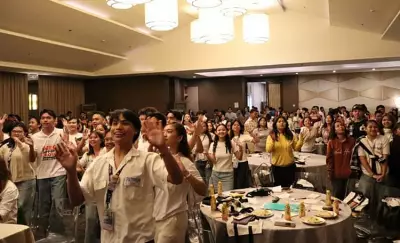
You begin to recognize the difference elsewhere. A group stands before people who do not share their language, their stories, or their place of origin. They do not explain themselves. They begin as they are. And something is received. Not everything is understood, but something is followed. The rhythm is kept. What is carried does not need to be translated to be recognized. Something opens. No one is required to respond. No one is required to belong. But something invites without asking. And people remain.
You see it again in smaller ways. A person listens without preparing their reply. They allow another to finish, even when they disagree. What is heard is carried, not erased. The response that follows does not need to overpower. It adds, but leaves space. Something holds.
Here, care does not need to take over the room in order to hold it. It listens before it answers. It allows silence to remain long enough for another voice to enter. It does not need the last word. It leaves the space open, even when it could close it. People do not need to choose between staying and being themselves. They can remain without shrinking. They can speak without fear of being closed off.
And when something true is spoken here, it does not pass through untouched. It settles. It begins to shape how people respond, how they listen, how they remain. Something takes root.
This is where something larger begins. No one announces it. No one claims it. But people begin to recognize one another in it. Not because they have been told to, but because they find they can stand there without being reduced. This is the diwa taking form, not as an idea, but as a way of being that others can enter.
There are still spaces where this does not happen. Where speaking requires force. Where listening is a pause before reply. Where presence must assert itself to remain. These spaces do not gather. They contain, but they do not hold.
And so a people begins to notice. They know where they can stay. They know where they can speak without being pushed aside. They know where disagreement does not erase them. They know where what they carry can be received without being reshaped. And they also know where they cannot.

This recognition does not come as judgment. It comes as memory. We have known what it is to stand in spaces that hold. We have known what it is to be received without having to become something else first. We have known what it is to remain, even when we are not fully understood. When that returns, it does not feel new. It feels like something we have come back to.
And because of this, something begins to move. People do not need to be instructed where to go. They begin to move toward what allows them to remain. Not out of strategy, but out of recognition. Because in the end, a people is not formed by what it can control, but by the space it leaves for others to stand—and in these days, that space is becoming visible again.