Holy Week: A Sacred Journey from Palm Sunday to Easter Resurrection
In Catholic liturgical practice, Holy Week represents the most solemn and sacred period of the Christian calendar, culminating in the celebration of Easter. This profound observance commemorates the final days of Jesus Christ's earthly ministry, His sacrificial death, and His triumphant resurrection.
Palm Sunday: A Triumphal Entry and Ironic Reversal
Holy Week commences with Palm Sunday, marking Jesus' humble entry into Jerusalem riding on a donkey. According to scriptural accounts, He was welcomed by crowds waving palm branches and offering joyful praise. This festive reception stands in stark contrast to the events that unfold later in the week, when many of these same voices would demand His crucifixion with cries of "Crucify Him!" This dramatic reversal highlights themes of human fickleness and divine purpose that permeate the Holy Week narrative.
Maundy Thursday: Institution of the Eucharist and Ritual of Humility
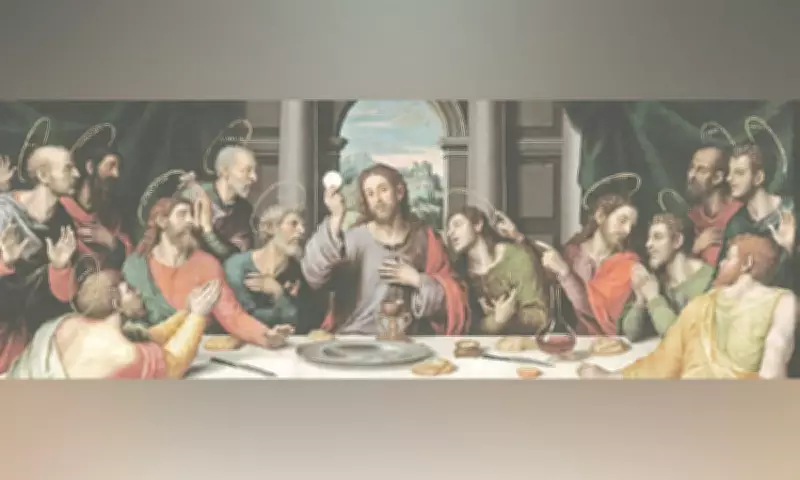
Maundy Thursday, also known as Holy Thursday, initiates the Easter Triduum—the three sacred days leading to resurrection Sunday. This day commemorates the Last Supper, where Jesus instituted the Eucharist, establishing the central sacrament of Christian worship.

A distinctive liturgical element is the "Washing of the Feet" ceremony, where a parish priest washes the feet of twelve parishioners, reenacting Jesus' act of humble service to His disciples. This ritual symbolizes selfless love, humility, and Christian service.
Traditionally, this ceremony involved only male participants. However, in a significant modernization in 2016, Pope Francis issued a decree permitting the inclusion of women in this rite, broadening its communal significance.
The Maundy Thursday liturgy concludes with the transfer of the Blessed Sacrament to a separate chapel for adoration, while the main altar is stripped bare—a powerful visual representation of Christ's impending abandonment.
Good Friday: The Passion and Crucifixion Narrative
Good Friday, also called Great Friday or Holy Friday, solemnly recounts Jesus' suffering and sacrificial death. The day's events begin with His betrayal in the Garden of Gethsemane, where Judas Iscariot identified Him to Roman soldiers with a kiss in exchange for thirty pieces of silver.
Jesus was subsequently brought before the Sanhedrin, the Jewish ruling council, where He was questioned by the high priest about His identity as the Messiah. His affirmative response led to a charge of blasphemy and a death sentence.
Despite being presented to Roman governor Pontius Pilate and later to Herod Antipas—both of whom found no legal fault in Him—Jesus was condemned to crucifixion under pressure from the demanding crowds. Pilate's gesture of washing his hands, symbolizing his attempted dissociation from the decision, has become an enduring image of moral compromise.
The crucifixion itself occurred at Golgotha, where Jesus was nailed to a cross between two criminals. From noon until 3 p.m., darkness fell across the land as He suffered. The tearing of the temple curtain from top to bottom at the moment of His death symbolized the removal of barriers between humanity and God.
Joseph of Arimathea, a secret follower of Jesus and member of the Sanhedrin, courageously claimed the body and placed it in a tomb, setting the stage for the resurrection.
Easter Sunday: The Glorious Resurrection
On the third day following His crucifixion, Jesus Christ rose from the dead in glorious resurrection, defeating death and offering redemption to humanity. This event forms the cornerstone of Christian faith and is celebrated worldwide as Easter Sunday.
In a 2023 homily, the late Pope Francis reflected on Jesus' experience of abandonment during His passion, urging the faithful to open their eyes and hearts to those who feel forsaken in contemporary society. He emphasized that God's forgiveness extends to every sin, reinforcing the message of hope central to the Easter celebration.
The journey from Palm Sunday through Holy Week to Easter encapsulates the core narrative of Christianity—from triumphal entry through sacrificial death to victorious resurrection—inviting believers annually to contemplate these profound mysteries of faith.