Leaders of the Brunei Darussalam–Indonesia–Malaysia–Philippines East Asean Growth Area (BIMP-EAGA) pushed for a stronger role for public-private partnerships (PPPs) as the sub-region moves toward adopting its long-term Vision 2035 development framework during the Special BIMP-EAGA Summit on Wednesday, May 7, 2026.
Summit Highlights
Held alongside the 48th ASEAN Summit and Related Meetings, the gathering focused on expanding infrastructure, connectivity and sustainability initiatives across the sub-region through deeper government and private sector collaboration.
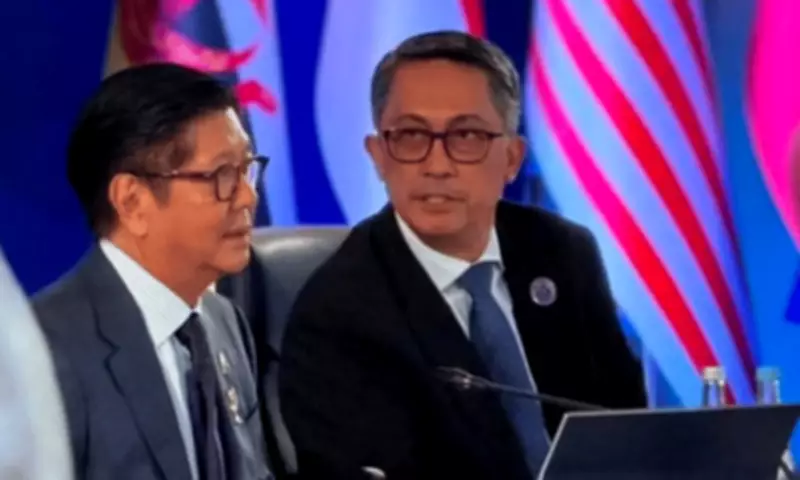
“These outcomes also highlight the growing importance of public private partnerships, where governments and private enterprises work together to deliver innovative, scalable, and sustainable solutions for our communities,” President Ferdinand R. Marcos Jr. said during the summit.

Vision 2035 Framework
The proposed BIMP-EAGA Vision 2035 aims to strengthen inclusive growth, regional connectivity and sustainability among Brunei Darussalam, Indonesia, Malaysia and the Philippines. Leaders attending the summit included Brunei Sultan Haji Hassanal Bolkiah, Indonesian President Prabowo Subianto, Malaysian Prime Minister Dato’ Seri Anwar Ibrahim, ASEAN Secretary-General Dr. Kao Kim Hourn and Asian Development Bank President Masato Kanda.
Philippines Model
Marcos cited the Philippines’ coordination between the Mindanao Development Authority (MinDA) and the PPP Center as a model for translating infrastructure and energy priorities into implementable projects. “Building on this, I would like to propose that a similar mechanism be scaled up at the sub regional level, with capacity to mobilize private capital to finance BIMP-EAGA priorities,” he added.
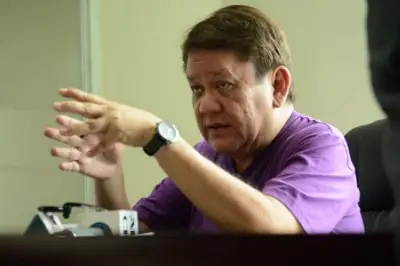
MinDA Chairperson Secretary Leo Tereso Magno, serving as the Philippine signing minister for BIMP-EAGA, said the agency and the PPP Center have started developing a pipeline of bankable PPP projects across the sub-region. Among the priority infrastructure projects identified under BIMP-EAGA are the Mindanao-Visayas Interconnection Project and the Laguindingan Airport in Misamis Oriental.
“Stronger private sector and local government engagement will be necessary. We will empower local institutions, support SMEs, and promote more public private partnerships,” Magno added.
Delegation and Next Steps
Joining Magno at the summit were BIMP-EAGA signing ministers, including Brunei Minister of Finance and Economy Dato Seri Setia Dr. Awang Haji Mohd Amin Liew Bin Abdullah, Indonesian Coordinating Minister for Economic Affairs Airlangga Hartarto, and Malaysian Deputy Minister Dato’ Indera Mohd Shahar Abdullah. The Philippine delegation also included Special Assistant to the President Antonio Lagdameo Jr., Bangsamoro Autonomous Region in Muslim Mindanao Chief Minister Abdulraof Macacua, Trade Secretary Cristina Roque, Agriculture Secretary Francisco Tiu Laurel Jr., Tawi-Tawi Gov. Yshmael “Mang” Sali, Palawan Gov. Amy Alvarez and Narra, Palawan Mayor Gerandy Danao.
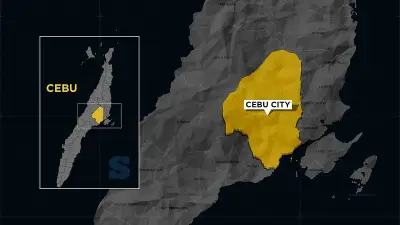
For more than three decades, BIMP-EAGA has pursued regional integration by improving trade, connectivity and cross-border cooperation among member economies. Officials said the adoption of Vision 2035 in Cebu is expected to strengthen the sub-region’s role in supporting the broader ASEAN Vision 2045 agenda.