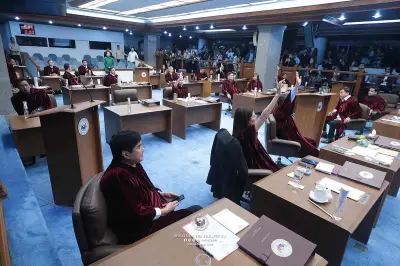
Impeachment Hearings Begin: Political Drama Enters Critical Evidentiary Phase
The opening of formal impeachment hearings represents a significant turning point in a political drama that has been simmering for months. What initially began as procedural filings has now transitioned into a phase where testimony and documents will actively shape public judgment and institutional outcomes.
From Technicalities to Evidence: A Changing Landscape
The shift from technical sufficiency to evidentiary contest fundamentally alters the terrain for everyone involved. At stake is far more than a mere legal outcome. These hearings will rigorously test both institutions and political alliances in equal measure.
Lawmakers will be compelled to weigh concrete proof against partisan instincts and determine whether the presented allegations meet the constitutional threshold for impeachment. Expect the initial days to be dominated by intense fights over admissibility and scope of evidence.

Strategic Maneuvering and Public Perception
Counsel for the vice president will aggressively press procedural defenses while challenging the credibility of sources. Meanwhile, petitioners will strive to frame a coherent narrative that links discrete incidents into a discernible pattern of misconduct.
Public perception will be formed as much by spectacle as by substantive evidence. Televised testimony and leaked exhibits will fuel social media cycles and editorial pages, creating a dynamic that can either amplify weak evidence or obscure strong proof depending on narrative packaging.
The Senate Calculus and Political Realities
When the case ultimately reaches the Senate, political calculation will matter significantly more than legal doctrine. Conviction requires a supermajority and cross-party agreement, conditions that make removal an unlikely outcome unless evidence proves overwhelming and politically costly to ignore.
A pragmatic outcome to monitor closely is potential negotiated de-escalation. When evidence appears mixed and political costs escalate, parties often prefer containment to escalation. Such a settlement could manifest as public clarifications, limited sanctions, or an agreement to shift focus to other legislative priorities.
Defensive Postures and Evidentiary Challenges
The vice president's strategy to contest impartiality and file a consolidated answer represents a familiar defensive posture. This approach buys crucial time and forces complainants to prove each element of their case, potentially blunting momentum and shifting the burden back to investigators.
For complainants, the primary challenge involves presenting witnesses and documents that can withstand rigorous scrutiny. Defense counsel will aggressively exploit hearsay, chronological gaps, and credibility issues. Success will depend entirely on airtight exhibits and witnesses capable of withstanding intense cross-examination.
Media Influence and Institutional Testing
Media coverage will continuously shape the political arithmetic in real time. Opinion leaders and party strategists will interpret every procedural ruling as a significant signal. This environment rewards clarity while punishing ambiguity, placing a premium on disciplined presentation from all parties involved.
Civic institutions will be tested by how transparently the committee conducts its work. Fair procedures and clear evidentiary rulings will bolster public confidence, whereas perceived partisanship risks deepening cynicism and eroding trust in the entire process.
Likely Outcomes and Long-Term Implications
The most probable near-term result involves protracted hearings that produce political consequences without immediate removal. This process will inevitably leave reputational marks and may significantly influence future political alliances and campaign strategies.
The long view suggests these hearings will matter substantially for political momentum, even if they conclude without a conviction. History will ultimately remember who chose truth versus who chose convenience during this critical juncture.
Three Critical Indicators to Monitor
Readers should closely watch three key indicators that will determine the case's trajectory:

- The quality and quantity of witnesses who testify under oath
- The committee's rulings on key documents and their admissibility
- Shifts in party posture signaling whether the Senate will treat this as a legal question or purely political matter
By the time the final gavel falls, the country will possess a ledger of choices to consult. If witnesses and documents land with substantial force, political alliances may splinter and careers will be recalibrated. Should evidence prove thin, the episode will still scar reputations and sharpen future campaign narratives.
Either outcome will expose whether democratic institutions can withstand intense pressure or whether power continues writing its own rules in the political arena.