Advocacy and business groups across the Philippines have welcomed the recent arrest of controversial contractor Cezarah 'Sarah' Discaya and several public works officials, linking them to anomalous flood control projects. However, they unanimously stress that this development is merely a single step in a long journey toward genuine accountability for a pervasive system of corruption.
A Symptom of a Rotten System
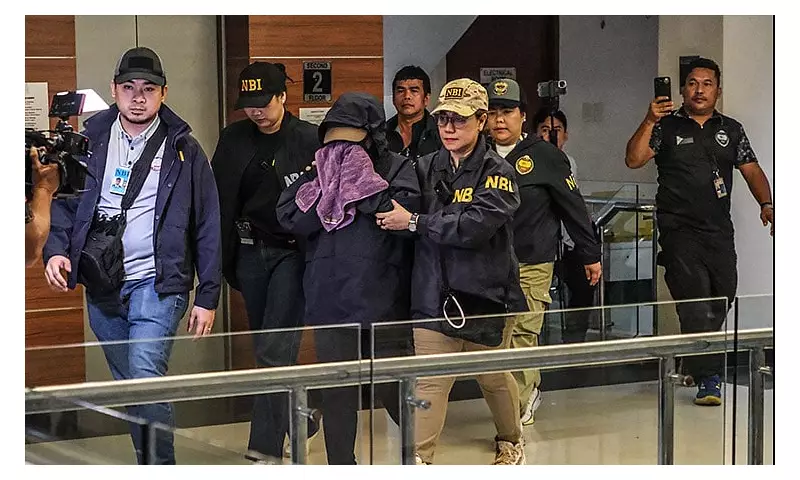
The arrest, which took place at the Regional Trial Court (RTC) Branch 27 in Lapu-Lapu City on December 19, 2025, is connected to a P96-million "ghost" flood control project in Davao Occidental. For many, this case exemplifies a deep-seated problem.
"The Discayas are only one piece of the much bigger puzzle," stated John Lazaro, national coordinator of the youth group Spark. He emphasized that true accountability requires punishing every corrupt official and contractor across all government levels and implementing fundamental political and economic reforms.

Echoing this sentiment, Danny Carranza, secretary general of the farmers' group Katarungan, told SunStar Philippines that Discaya's jailing is "a tip of the iceberg." He argued it will not calm public anger, which demands that all those who dipped their fingers into the "public coffin" be imprisoned and stolen funds recovered. Carranza specifically called for the jailing of complicit members of the House of Representatives, the Senate, and agency officials.
Ecumenical and Business Voices Join the Chorus
Religious leaders also weighed in on the issue of justice and impunity. Pastor Irma Mepico of the Promotion of Church People's Response told UCA News that Discaya's arrest is an important reminder that power and connections should not shield anyone from accountability. "But let us be clear: the call does not end with a single name," she added. "The Discaya case is merely a symptom of a deeper and more rotten system."
From the business sector, Rey Calooy, chairman emeritus of the Filipino-Cebuanos Business Club Inc. in Cebu City, highlighted the tangible impact of substandard infrastructure. He revealed that many club members, representing small businesses, suffered losses when Typhoon Tino hit Cebu on November 2, 2025, sweeping away equipment and delivery vehicles due to failed flood controls.
"Seeing the arrest of Discayas and other accused is a big step towards accountability," Calooy said. He expressed hope that the investigation proceeds well and serves as a stern warning to other officials to be transparent, emphasizing that the country needs good infrastructure for economic growth.
Broader Context and Government Action
The scandal and subsequent arrests gained urgency following the devastation of Typhoon Tino, which left over 200 people dead, about 100 missing, and more than 700,000 displaced, primarily in Cebu City. Experts attributed the high death toll and destruction to poor, substandard, or non-existent flood control projects.
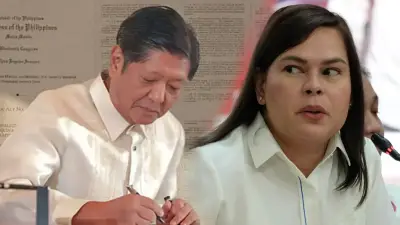
President Ferdinand Marcos Jr. has publicly assured the nation that the government "will continue to investigate and prosecute everyone involved" in the flood control scandals. He vowed to ensure not only prosecution but also the recovery of public money for the national coffers.
In a related development underscoring the scale of the corruption, former public works engineer Henry Alcantara has begun returning allegedly ill-gotten wealth. He turned over P71 million to the government on December 19, 2025, following a previous restitution of over P110 million on November 28. This is part of his promise to return a total of P300 million acquired as alleged "kickbacks" from the projects.
While the arrest of Sarah Discaya marks a significant moment, the unified message from civil society, religious groups, and the business community is clear: this must be the beginning, not the end, of a comprehensive purge of corruption that has compromised national infrastructure and safety.