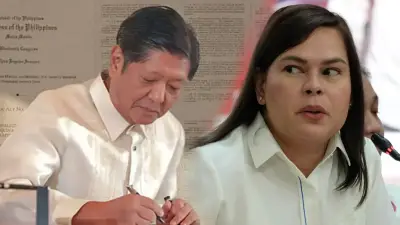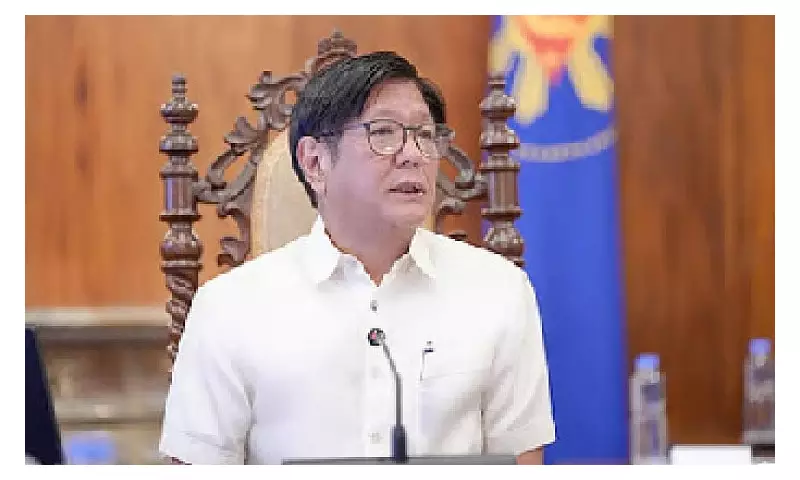
As 2025 concludes, President Ferdinand "Bongbong" Marcos Jr. has positioned the fight against corruption within flood control infrastructure as a cornerstone of his administration's agenda. Emphasizing transparency and accountability, the President has taken decisive steps to address long-standing issues in public works spending.
Budget Freeze and Fund Realignment
In a major policy shift, President Marcos ordered a halt to all new allocations for flood control in the proposed 2026 national budget. This decision came after audits revealed that funds from the 2025 budget, amounting to P350 billion, remained underutilized, with numerous projects either delayed, incomplete, or of substandard quality.
To ensure prudent fiscal management, Marcos directed that these existing funds must be fully utilized before any new appropriations are approved. Furthermore, in September 2025, he announced that money originally earmarked for next year's flood control initiatives would be reallocated to priority sectors. These include education, health, agriculture, housing, and social services, guided by a government "spending menu."

Crackdown on Corruption and Enhanced Transparency
The President responded to mounting public concern by initiating a sweeping review of flood control projects. He mandated the Department of Public Works and Highways (DPWH) to conduct a comprehensive audit and publicly list all projects for scrutiny. This move followed discoveries of alleged ghost projects and substandard construction.
A startling revelation from an initial government review disclosed on August 11 showed that P100 billion, or 20% of the total P545.64 billion spent on flood control since mid-2022, was awarded to just 15 contractors, raising red flags over contract concentration.
To institutionalize the probe, Marcos issued Executive Order 94 on September 11, creating the Independent Commission for Infrastructure (ICI). This body is tasked with investigating anomalies in flood control and other infrastructure projects and recommending legal action. By November 2025, the ICI was reviewing 80 projects linked to flagged contractors.
To empower citizens, the administration launched the "Sumbong sa Pangulo" website and a DPWH transparency portal on August 11. These platforms allow Filipinos to report anomalies, turning public scrutiny into a key tool for accountability. The expanded DPWH portal now publishes detailed data on project locations, budgets, contractors, and status.
Arrests, Charges, and the Path Forward
The intensified scrutiny in 2025 yielded tangible results, transitioning from administrative review to criminal accountability. Criminal cases were filed before the Sandiganbayan and the Office of the Ombudsman against former lawmakers, DPWH officials, and private contractors.
Charges include violations of the Anti-Graft and Corrupt Practices Act, malversation, falsification, and conduct prejudicial to public service. Arrest warrants were issued, leading to the apprehension and voluntary surrender of several individuals, including controversial contractor Sarah Discaya.
Presidential Communications Office Acting Secretary Dave Gomez stated on December 27 that the speedy arrests demonstrate the probe's seriousness, warning that "There will surely be more thrown behind bars in the New Year." Hundreds of projects remain under investigation, with more complaints expected.
As the year ends, Malacañang reaffirmed that flood control remains a priority for 2026—but one that will be pursued with integrity, fiscal prudence, and a steadfast commitment to restoring public trust.