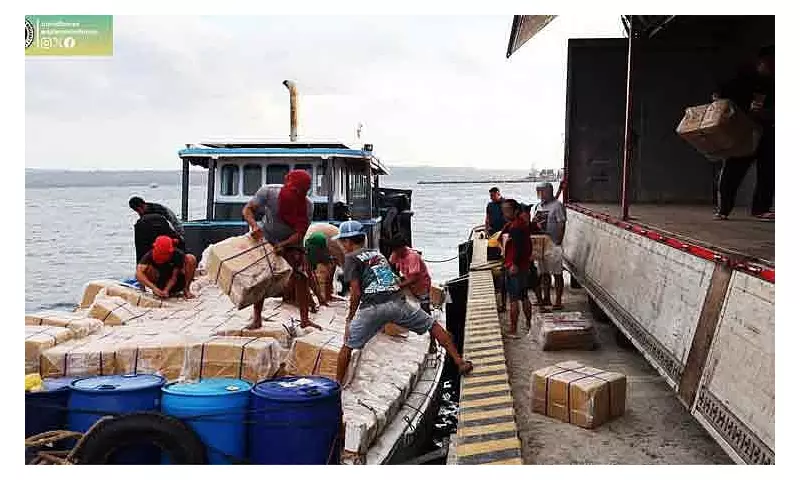
In a significant maritime operation, the Naval Forces Eastern Mindanao (NFEM) intercepted a motorboat loaded with contraband cigarettes valued at approximately ₱44 million. The interception occurred off the coast of Pantukan, Davao de Oro, on the evening of January 15, 2026.
Details of the Maritime Interception
NFEM personnel were conducting a routine patrol in the area at around 7:40 p.m. when they spotted and moved to intercept a suspicious vessel. Upon inspection, they discovered 1,118 boxes of undocumented cigarettes on board the motorboat.
According to information from a crew member, the shipment originated from Jolo, Sulu. The plan was to transfer the cargo to smaller motor bancas for distribution to various municipalities in the region. Thirteen Filipino crew members were apprehended during the operation.

The naval command emphasized that this successful interception highlights their ongoing commitment to protecting Philippine waters and enforcing laws against smuggling and other illicit maritime activities.
Aftermath and Legal Procedures
Following the seizure, the crew was taken to Camp Panacan Station Hospital for standard medical checkups. Personnel from the Bureau of Internal Revenue (BIR) in Davao Region conducted an inspection of the vessel, oversaw the unloading of the seized goods, and took custody of the contraband.
The operation falls under the legal framework of Republic Act No. 10863, the Customs Modernization and Tariff Act of 2016, which imposes fines and imprisonment for the illegal sale of tobacco products. Executive Order No. 245 provides additional regulations governing the tobacco industry.
The Persistent Problem of Illegal Tobacco in Mindanao
This seizure underscores a major regional issue. According to the 2024 Kantar Open Pack Survey, Mindanao accounts for roughly half of the country's illegal tobacco trade. The provinces with the highest illicit rates include Lanao del Sur (94.2%), Maguindanao (73.2%), and Davao de Oro (69.6%).
In many areas, an alarming eight out of every ten cigarettes sold come from illegal sources. Authorities have identified over 30 smuggling routes, primarily from Sabah, Malaysia, and Indonesia, using both sea and land transport.
The concern extends to public health. Davao City Councilor Rachel Zozobrado has raised alarms about counterfeit cigarettes, which are often produced without quality control and may contain toxic substances. She has called for an investigation into the scope of this problem within the city, where the illicit cigarette rate is estimated at 54%.
The recent interception by NFEM is a critical blow to smuggling networks, but it also highlights the ongoing challenge of curbing the lucrative illegal tobacco trade in Southern Philippines.