Lawmakers and Civil Society Groups Prioritize Ground Implementation in Anti-Political Dynasty Discussions
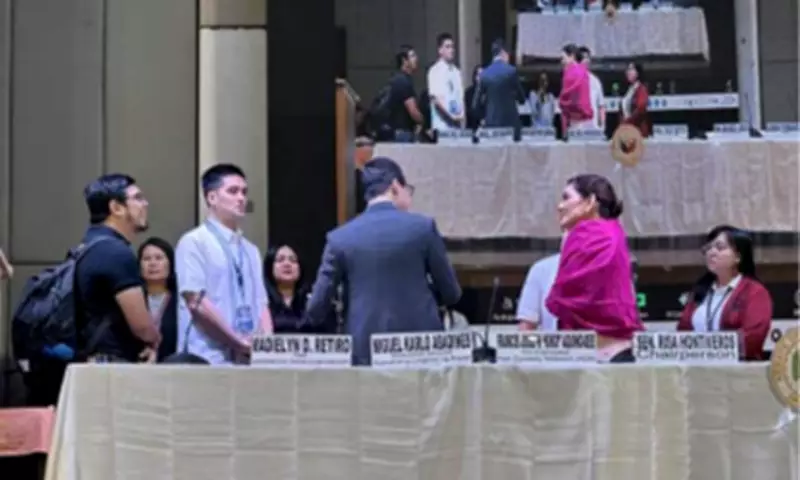
In a significant move to advance the long-stalled anti-political dynasty legislation, lawmakers and civil society representatives convened a public consultation in Pasig City on Monday, February 9, 2026. The meeting, led by Senator Risa Hontiveros, chairperson of the Senate Committee on Electoral Reforms and People's Participation, marked a strategic shift in the debate toward practical implementation and enforceability of the proposed law.
Focusing on Practical Solutions and Consensus Building
Senator Hontiveros emphasized the need for a practical and consensus-driven approach to crafting the Anti-Political Dynasty Bill. "Ang kailangan po natin ay isang batas Kontra-Dinastiya na praktikal at may pagkakasundo—hindi lang sa aming mga mambabatas kundi pati sa ating mga mamamayan," she stated, highlighting that the law must bridge gaps between legislators and citizens. The consultation aimed to address weaknesses that have hindered the passage of an enabling law for the 1987 Constitution's explicit ban on political dynasties, which has remained unimplemented for decades.
Key discussion points centered on defining the scope and applicability of restrictions, including:

- Whether limitations should apply only to immediate family members or extend to second-, third-, or fourth-degree relatives.
- Whether national and local officials should be covered under separate or unified regulatory frameworks.
- How to classify various positions such as district representatives, party-list lawmakers, barangay officials, and Sangguniang Kabataan leaders within the law's provisions.
Enforceability as the Guiding Principle
Pasig City Mayor Vico Sotto, who hosted the consultation, underscored enforceability as the cornerstone of the proposed legislation. He pointed out that political dynasties often leverage state resources to maintain their hold on power, creating an uneven playing field in elections. "Hindi ito laban sa isang pamilya o isang politiko. Ang nilalabanan natin dito ay ang concentration of power sa kamay ng political elites," Sotto asserted, framing the issue as a broader struggle against the concentration of power among elite political families.
Pasig City has taken a proactive stance by passing a resolution urging national legislators to enact a law prohibiting political dynasties, making it the first local government unit to issue such a formal appeal. This local initiative reflects growing grassroots support for measures that promote political inclusivity and reduce monopolistic control over public offices.
Moving Forward with Ground-Level Realities
The consultation represents a critical step in translating constitutional ideals into actionable legislation. By engaging civil society groups and local officials, lawmakers aim to design provisions that are not only legally sound but also workable in real-world scenarios. The emphasis on enforceability signals a departure from theoretical debates toward concrete strategies that can disrupt entrenched political networks and foster a more democratic electoral environment.
As discussions continue, the focus remains on balancing legal precision with practical applicability, ensuring that any future Anti-Political Dynasty Bill can effectively address the systemic challenges posed by familial dominance in Philippine politics.