Sandro Marcos Proposes 'No Work, No Pay' Policy for Philippine Lawmakers
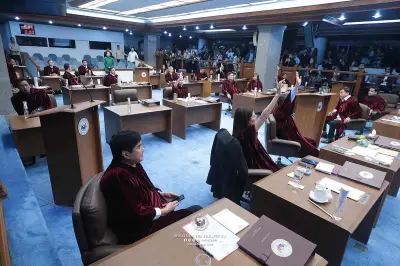
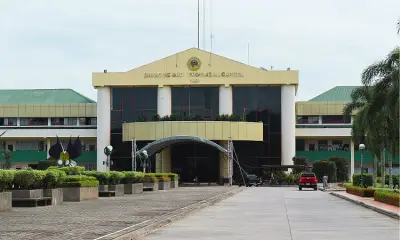
House Majority Leader Ferdinand Alexander "Sandro" Marcos has introduced a groundbreaking legislative proposal that seeks to implement a strict "no work, no pay" compensation scheme for members of Congress. This initiative, formally known as House Bill No. 7432 or the No Work, No Pay for Members of Congress Act, aims to address longstanding issues of absenteeism, enhance accountability, and protect public funds from wastage.
Addressing Public Concerns Over Legislative Attendance
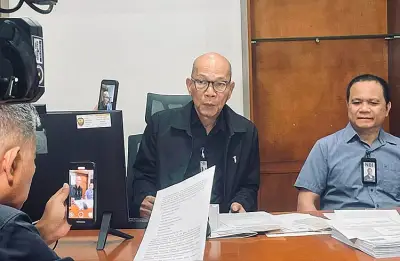
In the bill's explanatory note, Marcos highlighted a critical inconsistency in current practices. "The principle of 'no work, no pay' is a general labor standard applied to workers across the country. However, members of Congress, who are entrusted with the responsibility of crafting laws and representing the people, are currently compensated regardless of attendance or participation," he stated. This discrepancy has fueled significant public concern over absenteeism, lack of accountability, and the misuse of taxpayer funds.
Marcos emphasized that the measure is designed to correct this imbalance by ensuring that public funds are allocated only when elected officials fulfill their duties. By directly tying compensation to actual work, the bill promotes transparency, accountability, and integrity in governance, aligning legislative practices with the expectations of the Filipino people.

Key Provisions of the Proposed Legislation
Under House Bill No. 7432, lawmakers would receive payment exclusively for days when they are present and actively engaged in official legislative activities. These activities include:
- Attendance in plenary sessions of the Senate or House of Representatives.
- Participation in committee hearings where they are listed as members.
- Engagement in authorized official missions and duties approved by chamber leadership.
The bill also specifies conditions for valid absences, which would not result in forfeiture of compensation. These include:
- Illness certified by a licensed physician.
- Authorized official representation on behalf of the government.
- Official travel or missions approved by the leadership of their respective chamber.
- Approved leaves of absence granted through proper channels.
Unexcused absences, however, would lead to the forfeiture of compensation for those days, reinforcing the bill's core principle of accountability.
Enhancing Transparency and Monitoring Mechanisms
To ensure the effective implementation of this policy, the measure mandates robust monitoring systems. The secretariats of both the Senate and the House of Representatives would be responsible for daily attendance tracking. All attendance records would be made publicly accessible, fostering an environment of transparency. Compensation would only be released based on verified presence, as documented in these records.
Additionally, the bill deems lawmakers present when attending authorized committee meetings, sessions of the Commission on Appointments (CA), the House of Representatives Electoral Tribunal (HRET), bicameral conference committees, and other official missions approved by the Speaker. This broad definition ensures that various forms of legislative work are recognized and compensated appropriately.
Constitutional Basis and Penalties for Non-Compliance
Marcos pointed to the 1987 Philippine Constitution as the foundation for this proposal, noting that it provides for the statutory regulation of official compensation for members of Congress. The constitution states that their salaries shall be determined by law, giving legislative authority to enact such reforms.
The bill also includes strict penalties to deter misconduct. Falsification of attendance records or filing claims for compensation without performing official duties would be classified as misconduct. Such acts would be subject to disciplinary action under existing congressional rules, ensuring that the policy is enforced with integrity.

A Call for Swift Legislative Action
In his concluding remarks, Marcos urged the swift enactment of this measure, stating, "In passing this measure, Congress affirms its commitment to uphold the highest standards of public service and to ensure that elected representatives truly embody the principle of service to the people." This bill represents a significant step toward reforming legislative practices in the Philippines, aiming to restore public trust and ensure that lawmakers are held to the same standards as other workers in the country.