Chinese Embassy Firmly Rejects Senate Resolution, Defends Diplomatic Rights
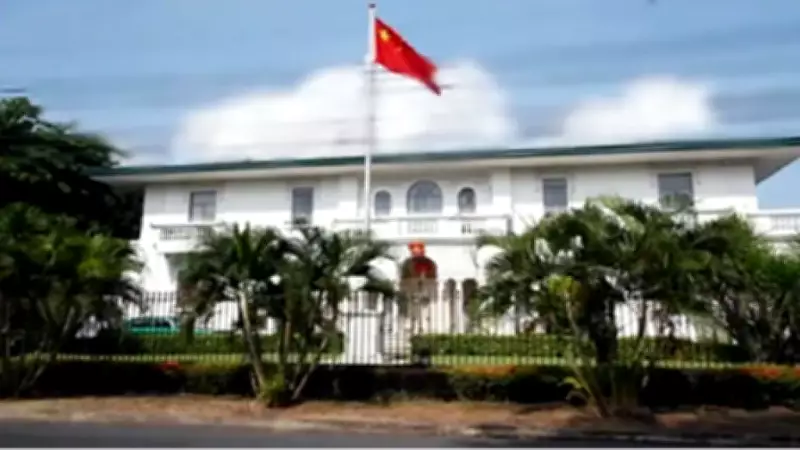
The Chinese Embassy in the Philippines has issued a strong rebuttal to a recent Senate resolution, firmly asserting its right to respond to criticisms and defend China against what it describes as false accusations. This development follows a condemnation by 15 senators who targeted the embassy in a formal Senate Resolution, escalating diplomatic tensions between the two nations.
Embassy Spokesman Criticizes Philippine Coast Guard and Senators
In a detailed statement, Chinese Embassy spokesman Ji Lingpeng launched a pointed critique against Philippine Coast Guard (PCG) spokesman Commodore Jay Tarriela. Ji alleged that Tarriela created an extensive 195 social media posts in 2025 and utilized a caricature of Chinese President Xi Jinping during engagements with students, actions the embassy views as provocative.
Ji emphasized that freedom of speech is a principle that applies equally to both sides, and the embassy remains committed to defending China against what it perceives as wrongful allegations. He further argued that some senators have misinterpreted the Vienna Convention on Diplomatic Relations, insisting on a literal application that the embassy contends is not appropriate in this context.

Senate Response and Allegations of Convention Violations
On the Philippine side, Senator Risa Hontiveros has been vocal in criticizing the embassy, accusing it of violating the Vienna Convention on Diplomatic Relations. In response to the embassy's actions, the Senate has proposed declaring the embassy's deputy spokesman, Guo Wei, as persona non grata, a move that could further strain bilateral relations.
The embassy, however, maintains its stance, vowing to closely monitor what it calls defamatory statements and to provide explanations for all allegations against China. Despite the friction, the embassy reiterated its commitment to maintaining diplomatic relations and cooperation with the Philippines, highlighting a desire to navigate these disputes without severing ties.
Broader Implications for Philippine-China Relations
This exchange underscores ongoing tensions, particularly concerning the West Philippine Sea (WPS), where territorial disputes have frequently sparked diplomatic spats. The embassy's firm rejection of the Senate resolution reflects a broader pattern of assertive diplomatic posturing from China, while the Philippine Senate's actions demonstrate a growing legislative pushback against perceived overreach.
As both sides stand their ground, the situation raises questions about the future of diplomatic engagements and the potential impact on regional stability. The embassy's insistence on defending its rights, coupled with the Senate's resolve to hold it accountable, sets the stage for continued dialogue—or confrontation—in the coming months.