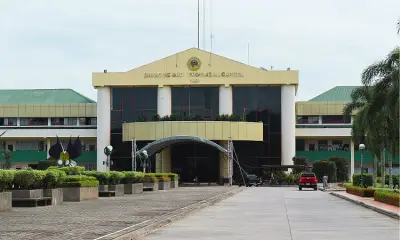
Davao City Government Voices Strong Opposition to Proposed Foreign Military Fuel Facility
The local government of Davao City has firmly expressed its opposition to plans for establishing a foreign military fuel storage facility in the region. This stance follows reports indicating the potential construction of such a facility in Davao, which has sparked significant debate and concern among local authorities and advocacy groups.
AFP Support and Defense Rationale
Previously, the Armed Forces of the Philippines (AFP) stated its support for this project in Mindanao, arguing that it would enhance defense capabilities and military operations, including those in the West Philippine Sea. According to the AFP, the facility is intended to bolster national security and provide logistical support for defense initiatives in the area.
Local Government Concerns Over Public Benefit
However, the Davao City government has emphasized that it will not endorse the project unless it offers direct benefits to the public. Officials highlighted the current economic challenges, such as rising oil prices and increased costs of goods, exacerbated by conflicts in the Middle East. They argue that resources should prioritize addressing these pressing public needs rather than foreign military interests.

Details of the Proposed Facility
As reported by the United States Naval Institute, the Pentagon plans to establish a Defense Fuel Support Point (DFSP) in the Southern Philippines by 2028. This facility is expected to store up to 41 million gallons of fuel and other petroleum products to support United States military operations in the region. The scale of this project underscores its strategic importance for foreign military logistics.
BAYAN-Southern Mindanao's Sovereignty Concerns
The Bagong Alyansang Makabayan (BAYAN)-Southern Mindanao has also vehemently opposed the project, labeling it a violation of national sovereignty. The group warns that hosting such a facility could make the region a potential target for adversaries of the U.S., thereby increasing security risks for local communities. Their opposition adds to the growing chorus of voices questioning the project's implications for Philippine autonomy.
AFP Assurance of Philippine Control
In response to these concerns, the AFP has assured that the facility will remain under Philippine control and serve as a protective measure against security threats. They contend that the project is designed to strengthen the country's defense posture without compromising sovereignty, aiming to balance international cooperation with national interests.
The ongoing debate highlights the complex interplay between defense needs, public welfare, and sovereignty issues, as stakeholders continue to weigh the pros and cons of this controversial military initiative.