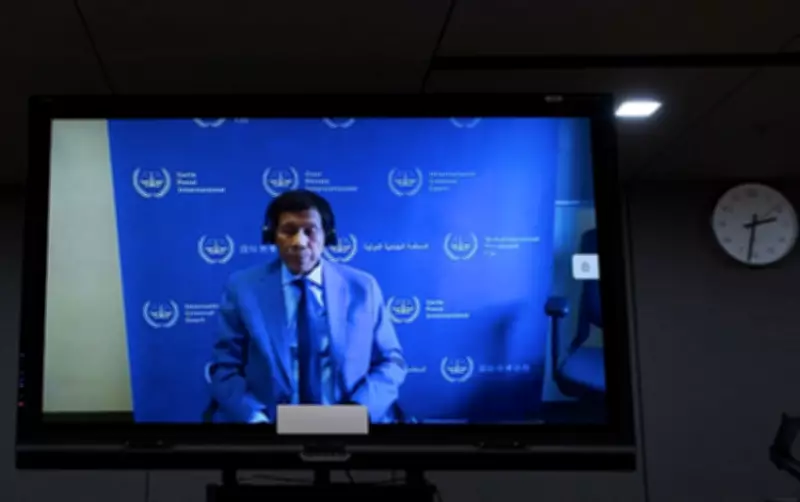
Duterte Defense Seeks ICC Evidence Expansion Amid Due Process Concerns
The legal team representing former President Rodrigo R. Duterte has formally requested the International Criminal Court's Pre-Trial Chamber I for authorization to include seventy-eight additional items in their evidence list. This crucial request comes ahead of the scheduled Confirmation of Charges hearing set for February 23, 2026, marking a significant development in the ongoing proceedings.
Evidentiary Request Details
Led by prominent lawyer Nicholas Kaufman, the defense explained that this request became necessary following the Prosecution's disclosure of 1,242 new materials after the hearing was postponed. According to defense documents, these materials are absolutely critical for properly preparing their case and effectively challenging the charges against the former president.
In their official filing, the defense emphasized several key points:

- The request was submitted within the appropriate timeframe
- It fully complies with all ICC procedural rules and requirements
- The inclusion of these materials would not prejudice any party involved in the proceedings
The defense also noted that the Prosecution has already confirmed it does not oppose the inclusion of these additional evidentiary items. If approved by the court, these materials would help ensure a fair and comprehensive judicial assessment at the confirmation stage, where judges will determine whether the case should proceed to full trial.
Broader Due Process Concerns
Beyond the evidentiary request, Duterte's legal team raised substantial concerns about due process in international criminal proceedings through a separate filing titled "Appeal Brief on the First Review of the Detention of Mr Rodrigo Roa Duterte."
The defense argued that Duterte's rights were already in question during surrender proceedings in the Philippines under Rule 59 of the Rome Statute. This rule specifically governs the lawfulness and procedural soundness of a suspect's transfer to the Court. Despite what the defense described as unresolved legal concerns, Duterte was placed on a plane and transferred to ICC custody.
According to the filing, that critical moment should have prompted heightened judicial scrutiny. Instead, the defense claimed that procedural shortcuts continued even as the ICC exercised custodial authority while its jurisdiction remained under challenge before the Appeals Chamber.
Specific Allegations of Procedural Irregularities
The defense filing provided specific details about their concerns:
"Mr Duterte was surrendered to the custody of the International Criminal Court on 12 March 2025. Upon entering the Detention Centre, he was immediately admitted to the hospital. Prior to his initial appearance on 14 March 2025, Counsel had already informed the Pre-Trial Chamber that Mr Duterte's fitness to stand trial would be at issue. The Chamber disregarded this expression of concern, instead commenting, without the benefit of any neurological or cognitive examination, that Mr Duterte was 'fully mentally aware and fit.'"
The defense questioned whether such handling aligns with the standards expected of international justice, emphasizing that due process must be more than symbolic and must be clearly observed from the moment the Court asserts authority over an accused individual.
Defense Position and Procedural Justifications
The defense emphasized that their position is not about personal loyalty to Duterte but about protecting the integrity of judicial procedures. They argued that without proper due process, international justice loses its moral and legal authority, undermining the entire system.
In their request to expand the evidence list, the Duterte camp explained that the additional seventy-eight items were identified after carefully reviewing the Prosecution's disclosures. Some of these materials were specifically marked as potentially exculpatory or relevant to the preparation of the defense.

The defense stated that their request met all procedural requirements under Rule 121(6) of the ICC, having been filed fifteen days before the confirmation hearing. They described the number of additional items as modest and noted that the Prosecution, as the custodian of its own evidence, is presumed to understand the relevance of these materials.
Additional Context and Future Implications
The filing further pointed out that legal representatives for victims were only recently appointed, with their teams still being finalized and access to evidence yet to be fully facilitated. This timing factor adds another layer of complexity to the proceedings.
Most importantly, the defense underscored that the Prosecution's lack of opposition meant the inclusion of the additional items would cause no prejudice to the Prosecution, while their exclusion would significantly disadvantage Duterte's ability to mount an effective defense.
The defense also disclosed that they have not yet completed their review of the Prosecution's latest disclosure, made on the evening of February 5, 2026. This disclosure included twelve items marked as potentially exonerating or relevant to defense preparation. The defense stated they reserve the right to seek further amendments to their evidence list once that review is completed, indicating this evidentiary process remains fluid as the hearing approaches.