Iran Pledges Safe Passage for Philippine Vessels in Strait of Hormuz
In a significant diplomatic development, Iran has committed to ensuring the "safe, unhindered, and expeditious" transit of Philippine-flagged vessels, energy resources, and all Filipino seafarers through the Strait of Hormuz. This assurance was conveyed by Iranian Foreign Minister Seyed Abbas Araghchi to Philippine Foreign Affairs Secretary Ma. Theresa Lazaro during a phone call on Thursday, April 2, 2026.
Critical Assurance for Philippine Energy Security
The Department of Foreign Affairs (DFA) emphasized that this pledge is vital for the Philippines, as it directly impacts both the safety of Filipino seafarers operating in the region and the nation's energy security. Given that the Philippines imports the majority of its energy requirements from the Middle East, Iran's guarantees are expected to facilitate the steady delivery of essential oil and fertilizer supplies, helping to stabilize the country's energy sector.
No Toll Fees Imposed on Philippine Vessels
Addressing concerns over potential financial burdens, DFA spokesperson Analyn Ratonel clarified that the passage through the Strait of Hormuz will not involve any toll fees. This statement comes amid reports that Iran had considered imposing a fee of at least US$1 per barrel, which could amount to approximately US$2 million per vessel. Ratonel confirmed, "On the question regarding the reported toll fee, there is no toll fee," in a text message to reporters.

Diplomatic Efforts and Regional Context
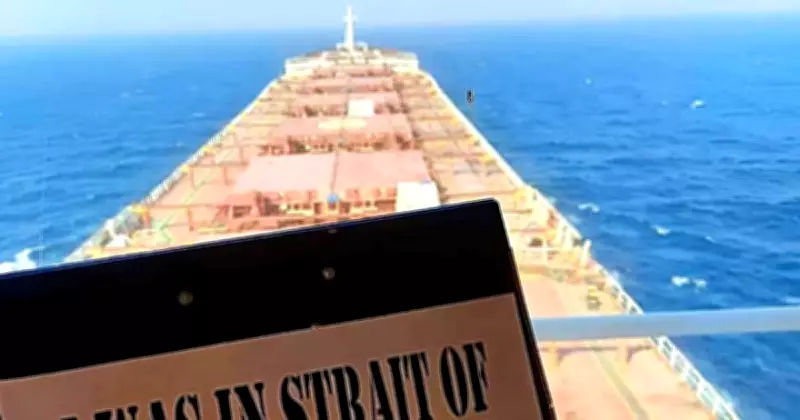
The phone call between the foreign ministers followed instructions from President Ferdinand Marcos Jr., who directed the DFA to initiate talks with Tehran to secure safe passage for Philippine-bound ships. This diplomatic move occurs against a backdrop of heightened tensions, as Iran has maintained a de facto blockade on the Strait of Hormuz since February 28, 2026, in response to joint military operations by Israel and the United States that targeted Iranian nuclear sites and resulted in the death of Supreme Leader Ayatollah Ali Khamenei.
The blockade has triggered shockwaves in global energy markets, leading to rising oil and fuel prices and prompting various governments to implement austerity measures. In response to these challenges, President Marcos declared a state of national energy emergency last week to address potential disruptions in fuel supply and stabilize the Philippine energy sector.
Commitment to Peaceful Relations
Both foreign ministers reaffirmed their commitment to maintaining excellent bilateral relations and achieving lasting peace through continued dialogue and diplomacy. This development underscores the importance of international cooperation in navigating complex geopolitical landscapes and ensuring the security of maritime routes critical to global trade and energy supplies.